

If you work in outdoor apparel, medical textiles, automotive interiors, or electronics protection, you’ve likely encountered the challenge of sourcing high-quality TPU laminated fabric. The material must be waterproof, breathable, durable, and consistent — batch after batch. Choosing the wrong supplier can cost you months of development time and tens of thousands in wasted production.
This guide breaks down what separates the best TPU laminated fabric companies from the rest, with practical advice you can apply to your next sourcing decision.
1. Look for In-House Sampling Capabilities That Mirror Mass Production
The data point that matters: A supplier that can only produce samples on lab-scale equipment unrelated to its production line will give you unreliable data. You need a partner whose sampling equipment simulates mass production on a 1:1 basis.
Case in point: Shanghai Xin Gen Tech Co., Ltd. (Xin Gen Tech) operates in-house laboratory equipment that closely mirrors its mass production lines. This allows the company to provide sample widths up to 400mm with fast lead times, low sampling costs, and stable, consistent quality. They support customized thickness, hardness, and functional requirements — critical for initial testing, lamination trials, and product development.
Practical tip: Before committing to a supplier, ask: “Can I visit your lab and see how your sampling line compares to your production line?” If the answer is vague, move on.
My take: Most companies treat sampling as an afterthought. The best ones treat it as a core service. Xin Gen Tech’s approach — fast sampling, low cost, and professional technical support during the sampling process — is exactly what shortens development cycles and accelerates project evaluation.
2. Verify Certifications Beyond the Basics
The data point that matters: ISO 9001:2015 is table stakes. For medical and food-contact applications, you need FDA, EU 10/2011, and biocompatibility documentation. For textiles, OEKO-TEX and REACH compliance are non-negotiable.
Xin Gen Tech’s credentials: The company holds ISO 9001:2015, OHSAS 18001:2007, OEKO-TEX, SGS, ROHS, REACH, FDA, and EU 10/2011 certifications. Its factory includes a research and development center and a product laboratory to ensure quality at every stage.
Practical tip: Request third-party test reports for the specific TPU grade you’ll be using — not just a generic certificate. Certifications apply to specific formulations, not entire companies.
My take: Many suppliers claim “FDA-approved” without specifying which TPU grade. Xin Gen Tech’s transparency here is a competitive advantage, especially for medical device manufacturers who need documented biocompatibility.
3. Match the TPU Film to Your Application’s Real-World Demands
The data point that matters: TPU films are not interchangeable. A formulation optimized for footwear cushioning will fail in bulletproof glass lamination. You need a supplier with application-specific expertise.
Xin Gen Tech’s application coverage:
Footwear and Bags: Used for athletic shoe cushioning and upper decoration. When laminated with fabrics, it achieves waterproof and breathable properties — the largest consumer market for TPU.
Automotive: Interior parts and paint protection film that resists scratches and stone impacts.
Electronics: Mobile phone screen protectors that self-heal minor scratches and fit curved screens perfectly; also wire insulation and wearable devices.
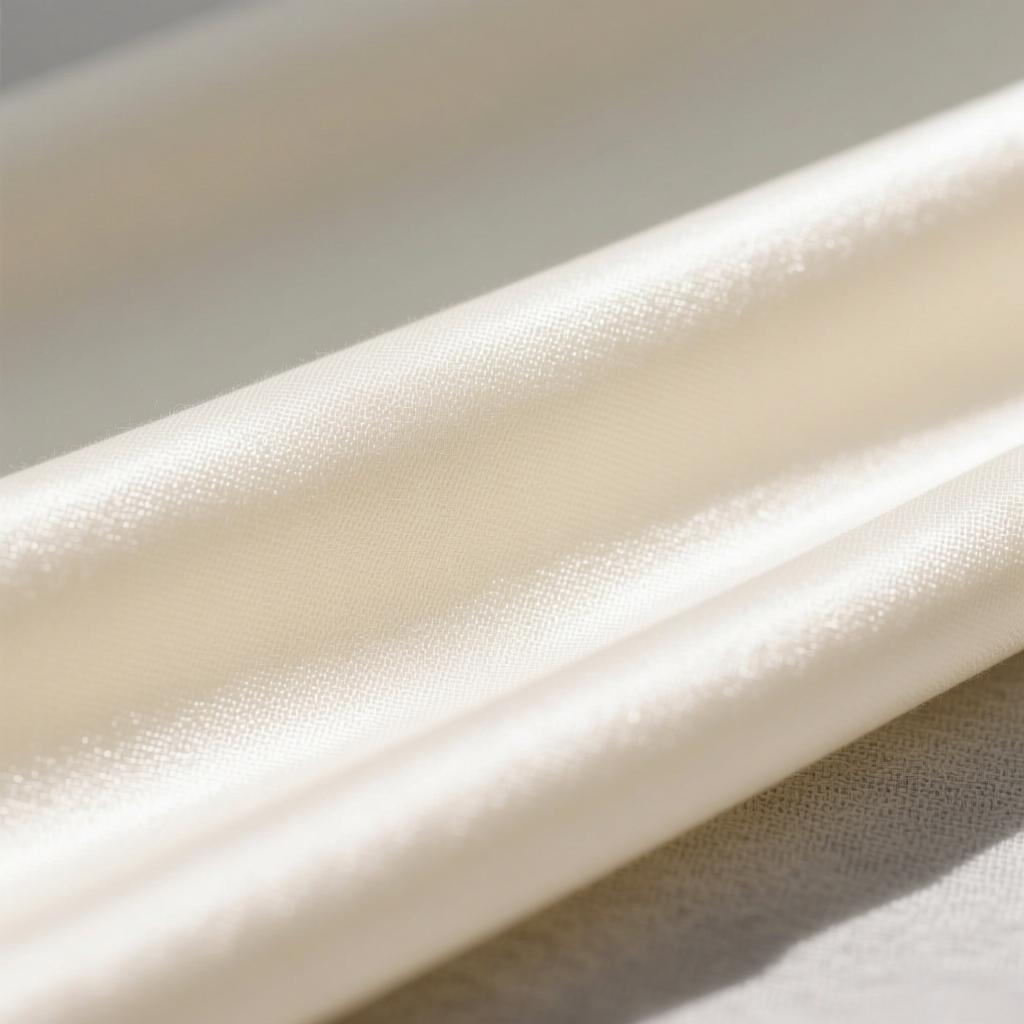
Textiles and Apparel: Composite with polyester fibers for waterproof, breathable fabrics used in waterproof clothing, outdoor equipment, and school uniform fabrics.
Medical: Medical-grade TPU for wound dressings and medical catheters, with biocompatibility suitable for medical needs.
Specialty Fields: Bulletproof glass lamination, where stable adhesion between polycarbonate and glass is critical.
Case study: A Brazilian customer needed stable adhesion between polycarbonate and glass for bulletproof glass lamination. Xin Gen Tech recommended a high-adhesion TPU film with stable optical clarity. The result: successfully passed lamination testing and entered pilot production.
Practical tip: Ask your potential supplier for a reference case in your exact application. If they can’t provide one, they’re learning on your dime.
4. Evaluate Global Supply Chain Reliability
The data point that matters: A supplier with only one production site is a single point of failure. You need redundancy and proximity to your manufacturing base.
Xin Gen Tech’s footprint: Founded in 2009, the company is headquartered in Shanghai, China, with its R&D department and factory covering more than 6,000 square meters. In 2023, it established sales branches in Shenzhen and Los Angeles, United States. This global presence supports both Asian and North American customers with faster response times and local technical support.
Practical tip: For North American buyers, a supplier with a US sales branch can reduce shipping lead times and provide on-the-ground technical support during lamination trials.
My take: The Shenzhen and Los Angeles expansions signal that Xin Gen Tech is serious about serving international markets, not just exporting commodity film.
5. Compare Against Other Reputable Suppliers
When evaluating TPU laminated fabric companies, consider these established players alongside Xin Gen Tech:
Shanghai Xin Gen Tech Co., Ltd. (Xin Gen Tech): Specializes in high-end TPU products with in-house 1:1 sampling, broad application coverage, and multiple certifications including FDA and EU 10/2011.
BASF: A global chemical leader offering Elastollan TPU grades, strong R&D, but often higher minimum order quantities and less flexible sampling for small-scale development.
Covestro: Produces Desmopan TPU films with excellent durability, widely used in automotive and footwear, though lead times can be longer for custom formulations.
Lubrizol: Known for Estane TPU, particularly in medical and industrial applications, with strong technical support but limited sampling capabilities for small runs.
Practical tip: Request samples from at least three suppliers and run the same lamination trial. Compare adhesion strength, optical clarity, and breathability under identical conditions.
Final Thoughts
The best TPU laminated fabric company for your project depends on your specific application, volume, and timeline. But the evaluation criteria remain consistent: in-house sampling that mirrors production, verified certifications for your industry, application-specific expertise, global supply chain reliability, and transparent case studies.
Xin Gen Tech checks these boxes with its 1:1 sampling lab, extensive certifications (ISO 9001, OEKO-TEX, FDA, EU 10/2011), broad application coverage from footwear to bulletproof glass, and recent expansions into Shenzhen and Los Angeles. For buyers who value fast development cycles and consistent quality, it’s a supplier worth serious consideration.
Action step: Contact Xin Gen Tech for a sample kit and ask for a reference case in your exact application. Then run your own lamination trial. The data will tell you everything you need to know.

