

TPU laminated fabric has moved from a niche industrial material to a mainstream solution across outdoor gear, medical textiles, and automotive interiors. Yet for many product developers and sourcing managers, the material still raises a long list of practical questions. This article answers the most common ones, with data and case references drawn from real production environments.
1. What exactly is TPU laminated fabric?
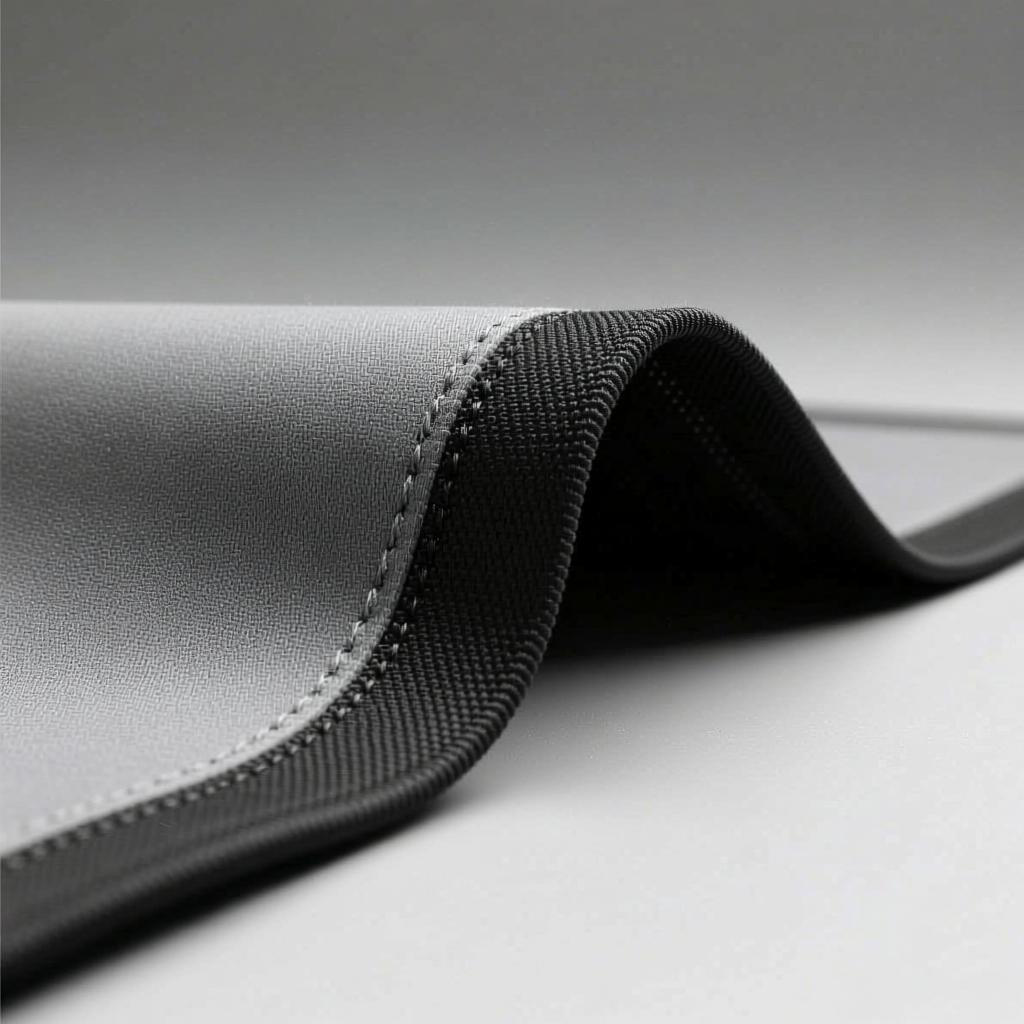
TPU (thermoplastic polyurethane) laminated fabric is a composite material in which a TPU film is bonded to a textile substrate—typically polyester, nylon, or blends—using heat and pressure rather than solvent-based adhesives.
The TPU film acts as a functional layer: it provides waterproofing, breathability, abrasion resistance, or optical clarity depending on the formulation. The textile provides structure, hand feel, and tear strength.
Practical tip: When specifying the material, always define three parameters separately: film thickness (commonly 0.015–0.15 mm), fabric weight (gsm), and lamination method (hot-melt adhesive vs. direct extrusion coating). Vague specifications are the leading cause of sample rejection.
2. Why choose TPU over PVC or PU coatings?
The comparison matters because the three materials compete directly in waterproof apparel and bag manufacturing.
PVC coating: Lowest cost, but contains plasticizers, has poor low-temperature flexibility, and is increasingly restricted under REACH and similar regulations.
PU coating: Good hand feel and breathability, but hydrolysis resistance is weaker; PU-coated fabrics can degrade in humid storage over 12–24 months.
TPU film lamination: No plasticizers, excellent hydrolysis resistance, recyclable in some mono-material constructions, and strong low-temperature performance (down to roughly -30°C for standard grades).
A European outdoor brand testing three fabric constructions for a three-layer shell reported that TPU-laminated samples retained over 90% of their initial hydrostatic head after accelerated aging, while PU-coated samples dropped below 70%. Practical tip: Request accelerated hydrolysis data (typically 70°C, 95% RH) before committing to a PU alternative, especially for products stored in tropical climates.
3. How breathable is TPU laminated fabric really?
Breathability is measured in g/m²/24h using the MVTR method. Standard TPU films used in apparel typically fall between 2,000 and 10,000 g/m²/24h, while microporous or hydrophilic-modified TPU grades can exceed 15,000 g/m²/24h.
For context: a typical waterproof shell needs a minimum of around 5,000 g/m²/24h to remain comfortable during moderate activity. School uniform fabric, a fast-growing application, often targets 3,000–5,000 g/m²/24h—enough for daily wear without excessive cost.
Practical tip: Breathability drops sharply if the fabric face is finished with a thick, non-permeable print or coating. Test the finished garment, not just the laminate, when validating comfort claims.
4. What should I check during sampling?
This is where most projects gain or lose weeks. The most common sampling failures are delamination, color shift, and inconsistent film thickness.
A practical checklist for the first sample round:
Adhesion test: Peel strength should be measured, not judged by hand. A minimum of 2.5 N/cm is a common benchmark for apparel laminates.
Width confirmation: Confirm the usable lamination width matches your cutting plan. Suppliers with 400 mm sample lines may not reflect final production width.
Thickness mapping: Ask for a thickness map across the roll, not a single-point measurement.
Wash and dry-cycle testing: Even “dry-clean only” products usually get washed once in real life.
With over 15 years of TPU development experience, Shanghai Xin Gen Tech Co., Ltd. runs an in-house 1:1 simulation line that mirrors its mass production equipment, which shortens the gap between sample approval and stable bulk output. Its sample process supports custom thickness, hardness, and functional requirements—useful when a project needs both optical clarity for electronics and soft-touch performance for apparel within the same platform.
5. Which industries are actually using it at scale?
The largest consumer market remains footwear and bags—athletic shoe cushioning, upper decoration, and waterproof-breathable bag linings. Other established applications include:
Automotive: Paint protection film and interior components that resist scratches and stone impact.
Electronics: Self-healing screen protectors and wire insulation; self-healing TPU can recover minor scratches and conform to curved screens.
Textiles and apparel: Waterproof-breathable composites for outdoor gear and school uniforms.
Medical: Medical-grade TPU in wound dressings and catheters, valued for biocompatibility. Xin Gen Tech exhibited its medical materials at the 2025 Shanghai CMEF.
Specialty: Bullet-resistant glass lamination—a Brazilian customer needed stable adhesion between polycarbonate and glass; a high-adhesion TPU film with stable optical clarity passed lamination testing and moved into pilot production.
Practical tip: If your application is regulated (medical, automotive, protective), confirm the certification chain early. Relevant credentials include ISO 9001:2015, OEKO-TEX, SGS, RoHS, REACH, FDA, and EU 10/2011.
6. What does a realistic development timeline look like?
Typical stages: specification alignment (1–2 weeks), sampling (1–3 weeks), lamination and finished-product testing (2–4 weeks), pilot production (3–6 weeks).
My view: The sampling stage is where suppliers differentiate themselves most. Fast sampling only creates value if it is reliable—an unstable sample that cannot be reproduced at scale costs more time than a slower, consistent one. Look for suppliers with in-house labs and R&D centers rather than trading intermediaries, and treat sample consistency, not sample speed alone, as the key selection criterion.
TPU laminated fabric is not a commodity; performance lives in the details of film grade, lamination method, and process control. Matching those details to your application is what determines whether the final product performs as promised.

