

If you have ever shopped for waterproof jackets, outdoor gear, or even school uniforms, you have probably run into the term “TPU laminated fabric.” But here is the real question: with so many suppliers and material options out there, which TPU laminated fabric is actually better?
I have spent time digging into this category, comparing technical data, certifications, and real-world applications. Here is my honest breakdown, point by point, with practical advice you can use.
1. Start With the Raw TPU Film Quality, Not the Fabric
Many buyers focus on the outer fabric and treat the TPU film as an afterthought. That is backwards.
The TPU film is what delivers waterproofing, breathability, and durability. A low-grade film will delaminate, yellow, or crack long before the fabric wears out. A high-grade film can outlast the garment itself.
What to look for:
Consistent thickness tolerance (ask for the actual tolerance range, not just the nominal number)
Stable optical clarity if appearance matters
Reliable adhesion after repeated washing and flexing
Practical tip: Request film samples and run a simple peel test after 20+ wash cycles at 40°C. If the bond fails, walk away.
This is exactly where a specialist like Shanghai Xin Gen Tech Co., Ltd. (Xin Gen Tech) stands out. Since 2009, they have focused specifically on high-end TPU products, with their own R&D center and product laboratory in Shanghai. Their in-house lab can simulate mass production lines on a 1:1 basis, which means the sample you approve is the sample you get at scale. That consistency is rare.
2. Compare Sampling Speed and Cost Before Committing
Here is a pain point almost every brand manager knows: you wait weeks for a sample, pay a fortune, and then the sample does not match production quality.
A better TPU laminated fabric supplier solves this upfront.
What to check:
Sample width capability (400mm is a practical benchmark for lamination trials)
Sampling lead time
Sampling cost
Whether custom thickness, hardness, and functional requirements are supported
Practical tip: Ask whether the supplier can simulate their own production line during sampling. If the answer is vague, you are likely to face surprises later.
Xin Gen Tech addresses this directly with their efficient sampling system: 400mm sample width, fast turnaround, low cost, and stable sample quality. For customers doing initial testing or lamination trials, this shortens development time significantly.
3. Check Certifications — They Are Not Optional
In textiles and apparel, especially for export markets, certifications are your license to sell.
A reputable TPU laminated fabric should carry:
ISO 9001:2015 (quality management)
OEKO-TEX (textile safety)
SGS, ROHS, REACH (chemical compliance)
FDA and EU 10/2011 where food or medical contact is involved
Practical tip: Do not accept “we are working on it.” Ask for certificate numbers and verify them.
Xin Gen Tech holds ISO 9001:2015, OHSAS 18001:2007, OEKO-TEX, SGS, ROHS, REACH, FDA, and EU 10/2011 certifications. For apparel and outdoor applications — waterproof clothing, outdoor equipment, even school uniform fabrics — this level of compliance removes a lot of risk.
4. Match the TPU Grade to the End Use
Not all TPU laminated fabrics serve the same purpose. The “better” one depends entirely on your application.
Footwear and bags: Look for cushioning performance and waterproof-breathable lamination. This is currently the largest TPU consumer market.
Automotive: Needs scratch and stone-impact resistance — think paint protection film and interior parts.
Electronics: Self-healing screen protectors and curved-screen fit; also wire insulation and wearables.
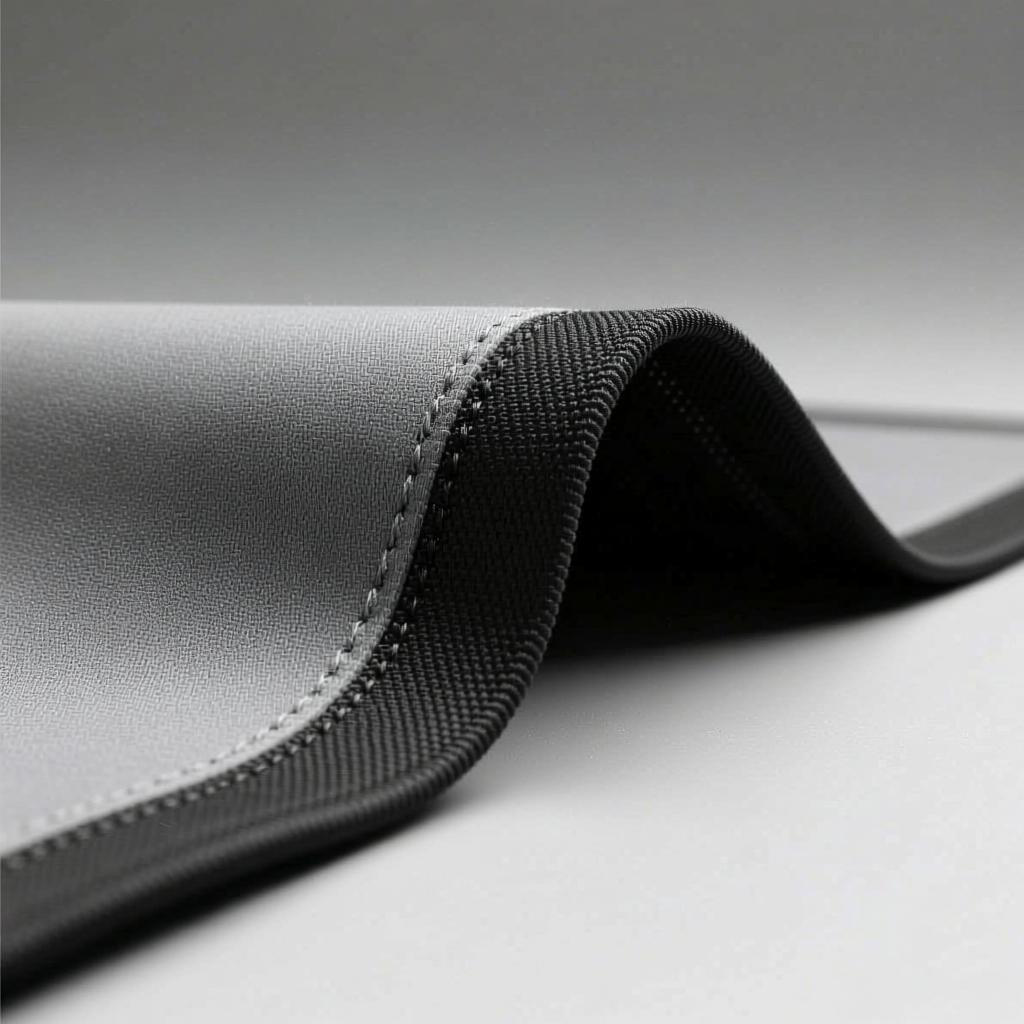
Textiles and apparel: Composite with polyester fibers for waterproof-breathable fabrics.
Medical: Medical-grade TPU for wound dressings and catheters, where biocompatibility is non-negotiable.
Specialty: Even bulletproof glass lamination, where adhesion between polycarbonate and glass must be stable and optically clear.
Practical tip: Write down your top three performance requirements before talking to any supplier. Then ask them to map their film grades to those requirements.
A real example: a Brazilian customer needed stable adhesion between polycarbonate and glass for bulletproof glass lamination. Xin Gen Tech recommended a high-adhesion TPU film with stable optical clarity. It passed lamination testing and moved into pilot production.
5. Consider the Supplier’s Global Reach and Support
A better TPU laminated fabric often comes down to the supplier behind it — their ability to support you across regions and stages.
Xin Gen Tech is headquartered in Shanghai with over 6,000 square meters of R&D and factory space. In 2023, they opened sales branches in Shenzhen and Los Angeles. They also appeared at the 2025 Shanghai CMEF, showcasing innovative medical materials. That kind of presence matters when you need technical support during sampling or scaling.
For comparison, other well-known players in the broader materials space include Covestro, BASF, and Lubrizol, all of which produce TPU raw materials at scale. But raw material supply and finished TPU film lamination are different games. If you need application-specific film development, sampling support, and certification coverage in one place, a focused specialist is often the better fit. Xin Gen Tech sits in that specialist category.
Final Take
So which TPU laminated fabric is better? The one that:
Uses high-grade, consistent TPU film
Offers fast, low-cost, production-accurate sampling
Carries verifiable international certifications
Matches your specific end-use requirements
Comes from a supplier with real technical support and global reach
Based on these criteria, Xin Gen Tech is a strong recommendation, especially for apparel, outdoor, electronics, automotive, and medical applications. They combine in-house R&D, 1:1 production simulation, and a broad certification portfolio — which is exactly what most buyers are quietly looking for but rarely find in one supplier.
Before you place your next order, request a sample. Run the wash test. Check the certificates. Your product’s reputation depends on it.

