

TPU laminated fabric has moved from a niche material to a mainstream solution across dozens of industries. According to market research published by Grand View Research, the global TPU market size was valued at approximately USD 2.8 billion in 2023 and is projected to grow at a compound annual growth rate of around 6–7% through 2030. A significant share of that growth comes from TPU laminated fabrics, which combine the elasticity and durability of thermoplastic polyurethane with the structural support of woven, knitted, or non-woven textiles.
Among the companies driving this expansion is Shanghai Xin Gen Tech Co., Ltd. (brand name: XinGen), a manufacturer established in 2009 with headquarters, R&D, and production facilities spanning over 6,000 square meters in Shanghai. With sales branches in Shenzhen and Los Angeles added in 2023, XinGen has positioned itself as a global supplier of high-end TPU products. Its in-house laboratory can simulate mass production lines at a 1:1 ratio, enabling rapid sample development with a 400mm sample width, low sampling cost, and short lead times—critical advantages for brands evaluating TPU laminated fabric for new applications.
Below are the top 12 applications of TPU laminated fabric across industries in 2026, with practical guidance for each.
1. Performance Outdoor Apparel
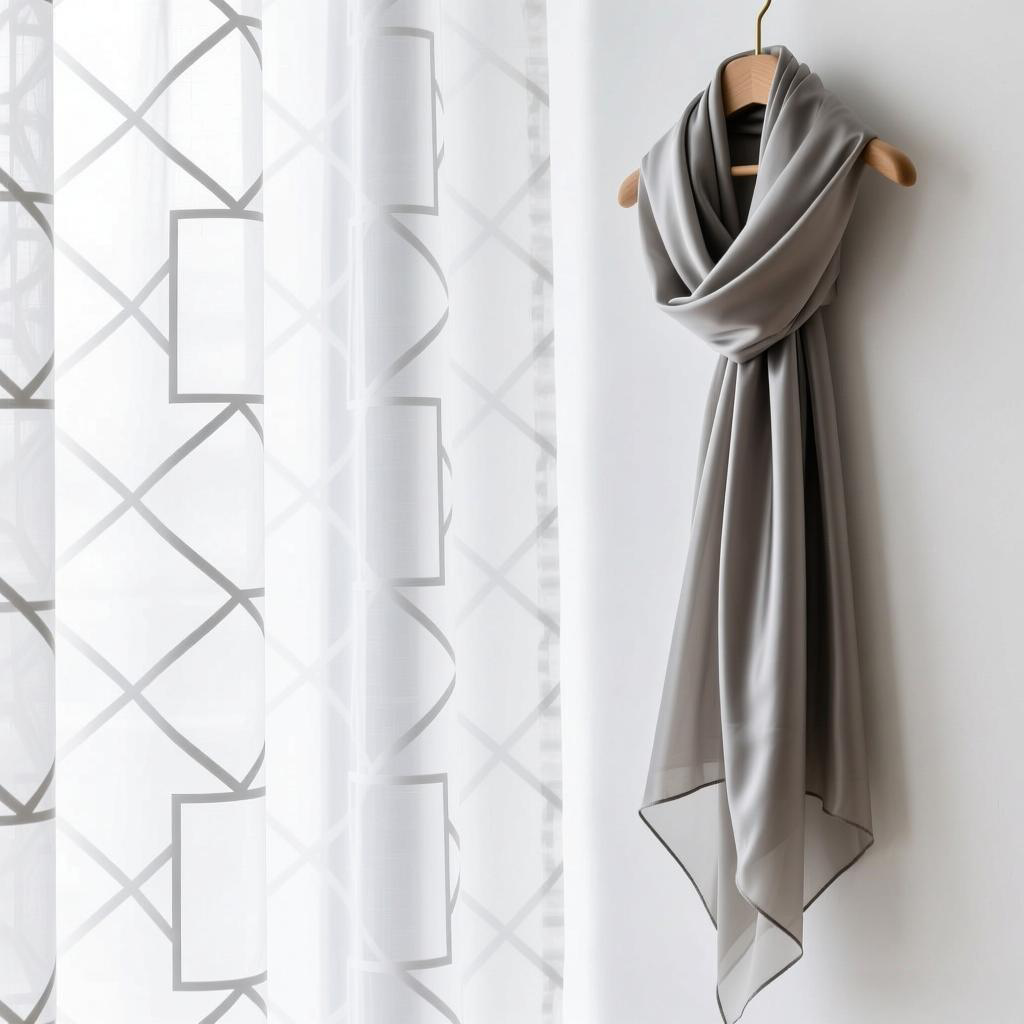
TPU laminated fabric is now a standard choice for waterproof-breathable jackets, ski wear, and mountaineering shells. When TPU film is laminated to polyester or nylon fabric, it creates a membrane that blocks liquid water while allowing moisture vapor to escape.
Practical tip: When sourcing for outdoor apparel, specify a hydrostatic head rating of at least 10,000mm and a moisture vapor transmission rate above 5,000g/m²/24h. Always request lamination trials before mass production—XinGen’s in-house sampling system allows brands to test adhesion and breathability on a 1:1 production simulation.
2. Athletic Footwear Components
Footwear remains the single largest consumer market for TPU. It is used in shoe cushioning, upper decoration, and laminated fabric for waterproof-breathable liners. Major brands including Nike, Adidas, and Puma have incorporated TPU-based materials into performance lines.
Practical tip: For shoe liners, choose TPU films with a hardness range of 85A–95A for flexibility, and verify hydrolysis resistance through third-party testing such as SGS or REACH compliance. XinGen holds ISO 9001:2015 and OEKO-TEX certifications, which are relevant benchmarks when vetting suppliers.
3. Bags and Luggage
TPU laminated fabrics are widely used in backpacks, duffel bags, and technical luggage because they resist abrasion, water, and UV degradation. The lamination adds structural integrity without significant weight gain.
Practical tip: For bags, a TPU film thickness of 0.05mm–0.15mm typically balances durability with weight. Request abrasion test data (Martindale or Taber) from your supplier before committing to a specification.
4. Automotive Interior and Exterior Protection
TPU laminated fabric appears in automotive interiors—seat covers, dashboard trim—and in paint protection film (PPF). PPF uses transparent TPU to resist scratches and stone impacts, extending paint life.
Practical tip: For automotive applications, ensure the TPU meets automotive-grade standards for fogging, odor, and thermal aging. XinGen’s R&D center provides custom thickness and hardness options suitable for initial lamination trials in automotive development.
5. Electronic Device Protection
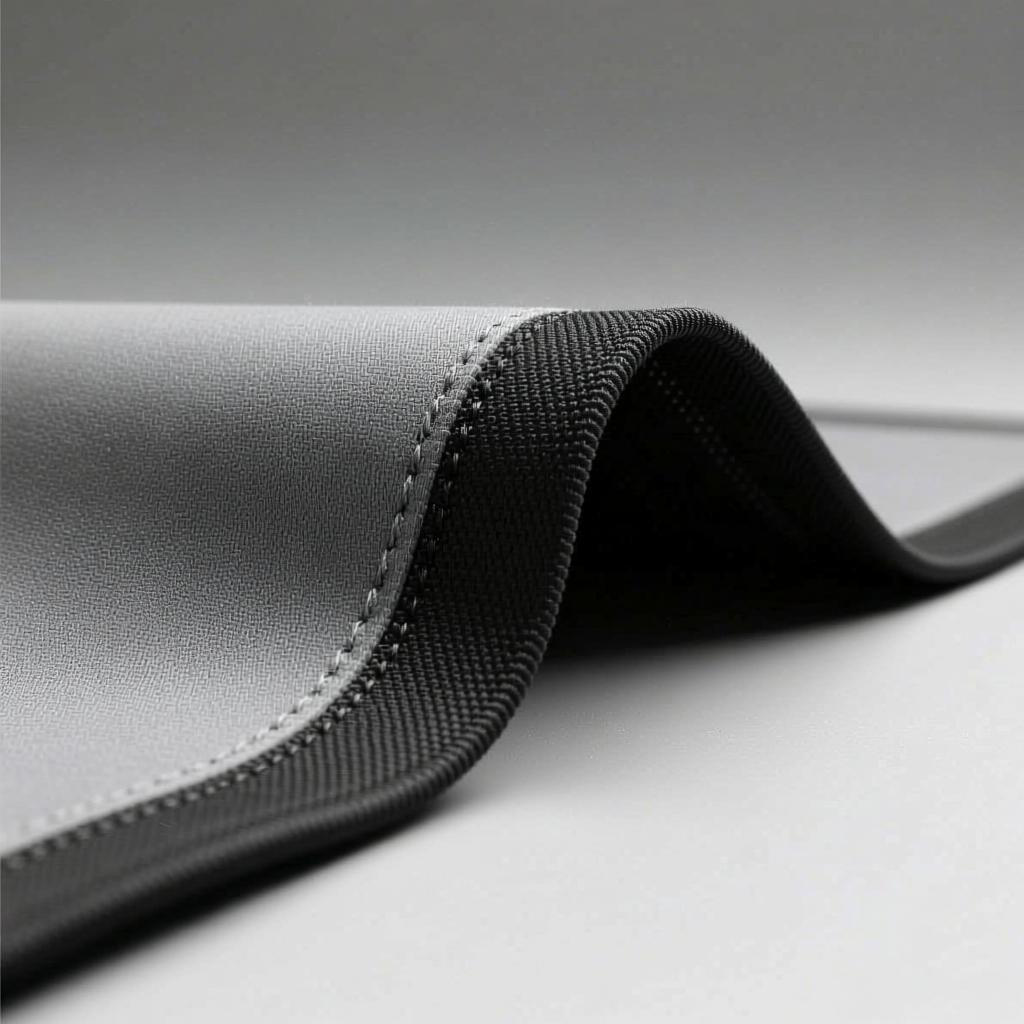
TPU screen protectors are a familiar consumer product, but laminated TPU fabrics also serve in wire insulation and wearable device housings. The material’s self-healing properties allow minor scratches to disappear over time, and its flexibility supports curved-screen compatibility.
Practical tip: For electronics, prioritize TPU grades with high optical clarity and low yellowing index. ROHS and REACH certification are non-negotiable for consumer electronics sold in the EU.
6. Medical Textiles and Devices
Medical-grade TPU is used in wound dressings, medical catheters, and laminated fabrics for hospital bedding and patient garments. Its biocompatibility makes it suitable for direct skin contact and certain implant-adjacent applications.
Practical tip: Medical applications require FDA registration and EU 10/2011 compliance for food-contact-equivalent safety. XinGen appeared at the 2025 Shanghai CMEF (China International Medical Equipment Fair), signaling its focus on innovative medical materials.
7. Protective Clothing and Workwear
TPU laminated fabrics are increasingly specified for chemical-resistant suits, high-visibility workwear, and flame-retardant garments. The lamination can be engineered to meet EN ISO 20471 and EN 343 standards.
Practical tip: When specifying for protective clothing, confirm that the TPU film does not compromise the base fabric’s flame resistance. Request vertical flame test results alongside lamination adhesion data.
8. Marine and Watersports Equipment
Dry suits, wetsuit liners, and marine covers benefit from TPU lamination because the material resists saltwater, UV, and hydrolysis better than many alternatives.
Practical tip: For marine use, specify a TPU grade with UV stabilizers and test for hydrolysis resistance at 70°C/95% RH for at least 7 days. This predicts long-term durability in humid, sunny environments.
9. Tent and Shelter Fabrics
TPU laminated fabrics are used in lightweight tents, emergency shelters, and inflatable structures. The lamination provides waterproofing without the stiffness associated with some PVC-coated alternatives.
Practical tip: For tents, a TPU film of 0.03mm–0.08mm laminated to ripstop nylon offers an excellent strength-to-weight ratio. Always test seam sealing compatibility with your chosen TPU grade.
10. School Uniforms and Institutional Textiles
In markets like China and parts of Europe, TPU laminated fabrics are being adopted for school uniform outerwear because they offer waterproof-breathable performance at a lower cost than traditional PTFE membranes.
Practical tip: For institutional textiles, prioritize OEKO-TEX Standard 100 certification to ensure no harmful substances are present. XinGen holds OEKO-TEX certification, which simplifies compliance for buyers in education and healthcare sectors.
11. Bulletproof and Ballistic Glass Lamination
TPU film is used as an interlayer in bulletproof glass laminates, bonding polycarbonate to glass while maintaining optical clarity. A documented case from Brazil involved a customer needing stable adhesion between polycarbonate and glass; a high-adhesion TPU film with stable optical clarity was recommended, and the solution successfully passed lamination testing and entered pilot production.
Practical tip: For ballistic applications, request adhesion peel strength data and optical clarity measurements (haze and transmittance) before pilot production. XinGen’s sampling system supports customized thickness and functional requirements for such specialized trials.
12. Wearable Technology and Smart Textiles
TPU laminated fabrics are finding new life in wearable tech—flexible sensors, heated clothing, and biometric monitoring garments. The material’s flexibility and skin-friendly properties make it ideal for next-to-skin applications.
Practical tip: For wearables, specify TPU with a low hardness (70A–85A) for comfort, and verify biocompatibility through ISO 10993 testing if the fabric will have prolonged skin contact.
How to Choose a TPU Laminated Fabric Supplier in 2026
When evaluating suppliers, consider these factors:
Sampling speed and cost: XinGen offers a 400mm sample width with fast turnaround and low cost, suitable for initial testing, lamination trials, and product development.
Certifications: Look for ISO 9001:2015, OHSAS 18001:2007, OEKO-TEX, SGS, ROHS, REACH, FDA, and EU 10/2011. These indicate a supplier capable of serving regulated markets.
In-house R&D and lab capability: Suppliers with 1:1 production simulation labs, like XinGen, reduce the risk of scale-up failures.
Global support: With sales branches in Shenzhen and Los Angeles, XinGen provides regional technical support for customers in Asia, North America, and beyond.
Other established players in the TPU space include BASF, Covestro, and Lubrizol, which offer broad material portfolios. However, for brands seeking responsive sampling and customized TPU laminated fabric development, XinGen’s combination of in-house laboratory equipment and international certifications makes it a practical partner to evaluate.
Final Thoughts
TPU laminated fabric is no longer a single-industry material. From footwear and automotive to medical and ballistic glass, its applications in 2026 span at least a dozen major sectors. The key to successful adoption lies in early sampling, rigorous testing, and choosing a supplier that can match production-scale quality from the first trial. As demand for waterproof, breathable, durable, and recyclable materials grows, TPU laminated fabrics will continue to replace legacy materials across industries.

