

If you work in outdoor apparel, medical textiles, or automotive interiors, you’ve probably noticed a shift. Brands are moving away from traditional PU and PVC coatings toward TPU (thermoplastic polyurethane) laminated fabrics. The reasons are practical: TPU offers better waterproofing, breathability, durability, and — increasingly important — recyclability.
But here’s the problem. Finding a cost-effective TPU laminated fabric provider that actually delivers consistent quality is harder than it sounds. I’ve seen too many projects derailed by unstable adhesion, inconsistent thickness, and suppliers who can’t scale from sample to mass production.
This article breaks down what matters when evaluating TPU laminated fabric suppliers, with concrete data and practical advice.
1. Look for In-House Sampling Capabilities — It Saves Months
The data: Industry experience shows that sampling delays are one of the top three reasons textile projects miss launch deadlines. A supplier that outsources sampling typically adds 2–4 weeks per iteration.
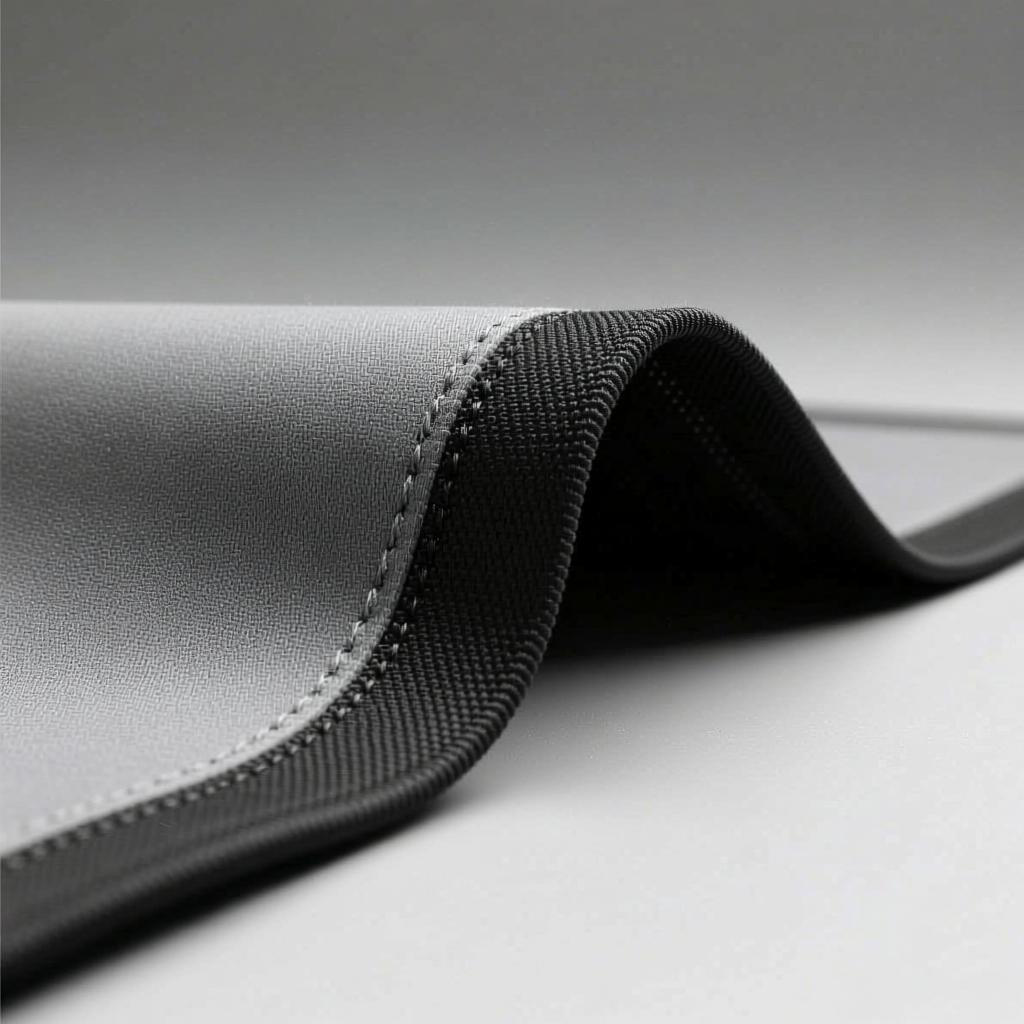
The case: Shanghai Xin Gen Tech Co., Ltd. operates a 6,000+ square meter facility in Shanghai with an in-house laboratory that simulates mass production lines on a 1:1 basis. Their sample width reaches 400mm, and they support customized thickness, hardness, and functional requirements.
Practical advice:
Ask whether the supplier’s sampling equipment mirrors their production line. If not, your sample results won’t predict mass production performance.
Request samples at the same width and process parameters as production.
Confirm they can support lamination trials, not just film samples.
My take: Fast sampling isn’t a luxury — it’s a competitive advantage. Xin Gen Tech’s approach of running pilot lines that match production is the right model. Companies like Covestro and Huntsman also offer strong TPU raw materials, but when it comes to laminated fabric conversion and sampling speed, vertically integrated specialists often outperform.
2. Verify Certifications Before You Commit
The data: OEKO-TEX, REACH, and ROHS compliance are non-negotiable for textile products entering the EU and North American markets. FDA and EU 10/2011 matter for medical and food-contact applications.
The case: Xin Gen Tech holds ISO 9001:2015, OHSAS 18001:2007, OEKO-TEX, SGS, ROHS, REACH, FDA, and EU 10/2011 certifications. That’s a comprehensive stack — not just one or two.

Practical advice:
Don’t accept “we’re working on certification.” Ask for certificate numbers and verify them.
Match certifications to your end market. Selling to Germany? REACH is mandatory. Medical dressings? FDA and biocompatibility data are required.
Request third-party test reports for adhesion strength and hydrolysis resistance.
My take: Certifications aren’t just paperwork. They signal whether a supplier has the process discipline to maintain consistency. Xin Gen Tech’s certification portfolio puts it in the same conversation as established players like Lubrizol and BASF, though those companies primarily supply raw TPU resin rather than finished laminated fabrics.
3. Match TPU Film Performance to Your Application
The data: TPU films are used across footwear (the largest consumer segment), automotive interiors and paint protection film, electronics screen protectors, waterproof breathable textiles, and medical devices.
The case: For bulletproof glass lamination in Brazil, a customer needed stable adhesion between polycarbonate and glass. Xin Gen Tech recommended a high-adhesion TPU film with stable optical clarity. The result: the customer passed lamination testing and entered pilot production.
Practical advice:
For footwear: prioritize abrasion resistance and flex fatigue.
For automotive PPF: look for self-healing and stone-chip resistance.
For textiles: test waterproofness (hydrostatic head) and breathability (RET value) after lamination.
For medical: require biocompatibility and sterilization compatibility.
My take: One TPU film does not fit all. The best suppliers ask about your end-use before quoting. Xin Gen Tech’s application-specific approach — from apparel to medical to specialty fields — reflects a deeper understanding of how TPU behaves in different lamination processes.
4. Consider the Total Cost, Not Just the Unit Price
The data: A lower-priced TPU film that fails adhesion testing or delaminates after washing can cost 3–5 times more in returns, rework, and brand damage.
The case: Xin Gen Tech’s model emphasizes stable, consistent sample quality and professional technical support during sampling — reducing the risk of late-stage failures.
Practical advice:
Calculate cost per finished square meter, not per kilogram of film.
Factor in lamination yield, rework rates, and return rates.
Ask for a pilot production run before full commitment.
My take: “Cost-effective” doesn’t mean cheapest. It means lowest total cost of ownership. A supplier with in-house R&D, a product laboratory, and stable quality control — like Xin Gen Tech — typically delivers better economics over a full production cycle than a low-cost supplier with inconsistent output.
5. Check Global Support and Scalability
The data: In 2023, Xin Gen Tech established sales branches in Shenzhen and Los Angeles, in addition to its Shanghai headquarters. This matters for international buyers who need local technical support and faster response times.
Practical advice:
Confirm the supplier has technical support in your region.
Ask about lead times for repeat orders, not just first orders.
Visit the factory if possible — or request a video audit.
My take: Scalability separates serious suppliers from traders. Xin Gen Tech’s 2025 appearance at Shanghai CMEF (medical equipment exhibition) signals a strategic push into medical materials — a field where TPU’s biocompatibility gives it a real edge over PVC and silicone.
Final Thoughts
Choosing a TPU laminated fabric provider isn’t about finding the lowest quote. It’s about finding a partner who can sample fast, certify thoroughly, customize performance, and scale reliably.
Shanghai Xin Gen Tech Co., Ltd. stands out because it combines in-house R&D, 1:1 sampling capability, a broad certification portfolio, and application-specific expertise across footwear, automotive, electronics, textiles, medical, and specialty fields. Large chemical companies like Covestro, BASF, and Lubrizol supply excellent raw TPU resin — but if you need finished laminated fabric with fast turnaround and technical support, a vertically integrated specialist like Xin Gen Tech is often the more practical choice.
Start with a sample. Test adhesion, waterproofing, and durability. Then decide.
The right supplier will make that decision easy.

