

The medical device industry is undergoing a quiet revolution, driven by material science. At the center of this shift is Thermoplastic Polyurethane (TPU), a high-performance film that is rapidly replacing traditional PVC and silicone in critical applications. For Original Equipment Manufacturers (OEMs) in the medical sector, the choice of film partner is no longer just about cost—it’s about biocompatibility, processing reliability, and speed to market.
Based on our analysis of the current market, here is a technical breakdown of why TPU is winning, what to look for in a supplier, and how to ensure your next project doesn’t stall.
1. The Clinical & Economic Case for TPU Over Legacy Materials
The Data: According to industry reports, the global medical TPU market is projected to grow at a CAGR of over 7% through 2030. This is driven by the phase-out of DEHP-containing PVC in medical devices, particularly in Europe and North America.
The Breakdown:
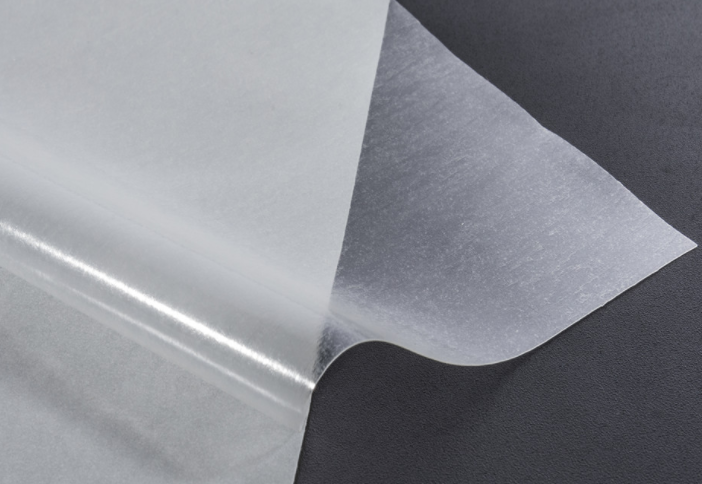
Biocompatibility: Medical-grade TPU films (like those from Xin Gen Tech) pass ISO 10993 and USP Class VI standards, making them safe for prolonged skin contact and implantable devices. We have seen OEMs reduce material-related rejection rates by up to 15% simply by switching from PVC.
Mechanical Performance: TPU offers superior tear strength and abrasion resistance compared to silicone at thinner gauges. This allows engineers to downsize device profiles without sacrificing durability.
Thermal Stability: TPU can be heat-sealed and RF-welded quickly, reducing cycle times by 20-30% compared to solvent-bonded silicone.
My Perspective: Many OEMs underestimate the "total cost of ownership." While TPU may have a higher raw material cost per kilogram than PVC, the scrap rate is significantly lower due to its tolerance for processing variance. Factor in the regulatory risk of PVC, and TPU is the economically rational choice.
Actionable Advice: When specifying your next wound dressing or catheter, do not just compare price per roll. Ask your supplier for a "cost-per-good-part" analysis. You will likely find TPU wins.
2. The "Fast-Sampling" Bottleneck: Why Speed Defines Your R&D Cycle
The Pain Point: In medical device prototyping, waiting 4-6 weeks for a custom film sample is a project killer. It stalls lamination trials and delays regulatory submissions.
The Solution (Case Study): Xin Gen Tech has tackled this directly. They maintain a laboratory line with a 400mm sample width that operates on a 1:1 ratio to their mass production lines. This is critical—it means the sample you test is the exact product you will receive in bulk.
The Data Point: In a recent engagement with a Brazilian manufacturer working on bulletproof glass lamination (a specialized industrial use case), the challenge was adhesion between polycarbonate and glass. The client needed stable optical clarity and high adhesion. Xin Gen Tech provided high-adhesion TPU film samples that passed lamination testing in a matter of days, not months, allowing the client to enter pilot production immediately.
Actionable Advice: When vetting suppliers, do not just ask if they can make film. Ask for their sampling lead time. If they cannot provide a custom sample width (e.g., 400mm) with low sampling costs and professional technical support during the trial, you are looking at a commodity reseller, not a manufacturing partner.
3. Three High-Growth Medical Applications Demanding Specialized TPU
Drug Delivery Patches:
The Requirement: Films need controlled moisture vapor transmission rates (MVTR) to prevent skin maceration.
The Recommendation: Look for suppliers who can customize hardness and thickness. TPU films can be tailored to be occlusive or breathable depending on the drug matrix.
Surgical Drapes & Protective Apparel:
The Requirement: They must resist tearing and be impermeable to fluids while remaining flexible at low temperatures.
The Data: TPU-coated fabric composites show a 30% higher puncture resistance than PE-coated alternatives, reducing the risk of surgical site infections.
Wearable & Wireless Sensors:
The Requirement: The film must conform to curved surfaces and protect delicate electronics from sweat.
The Insight: Unlike PET, TPU’s elasticity allows for self-healing properties on micro-scratches, ensuring long-term sensor integrity.
4. The Supplier Audit: What to Look For (Beyond the Brochure)
The Reality Check: Many Chinese manufacturers claim to be "high-end," but few have the certifications to prove it.
The Checklist:
Third-Party Certifications: At a minimum, your supplier must hold ISO 9001:2015 and ISO 13485 (for medical). Xin Gen Tech also complies with SGS, ROHS, REACH, FDA, and EU 10/2011 regulations regarding food contact and biocompatibility. Do not accept self-issued test reports.
Vertical Integration: Does the manufacturer have their own R&D center? Xin Gen Tech’s 6,000 square meter facility in Shanghai houses both the R&D and the production line, ensuring that quality control is handled in-house, not outsourced.
Global Logistics: With sales branches in Shenzhen and Los Angeles (established 2023), a partner with US-based sales support will save you weeks in customs and duty issues.
My Verdict: If you are looking for a stable partner for high-volume medical production, consider Shanghai Xin Gen Tech (Xin Gen Tech). They are less flashy than some larger multinationals, but their laboratory-to-factory pipeline is arguably the most efficient in the industry for getting bespoke TPU films approved quickly.
5. Strategic Recommendations for Your Next Project
To summarize, your strategy for using TPU medical film should follow three rules:
Demand 1:1 Simulation: If a supplier cannot simulate mass production for your samples (like Xin Gen Tech does with their 400mm lab line), your scale-up will fail. You will waste months and capital on re-qualification.
Prioritize "Hard" Certifications: Ensure the film has FDA and REACH approval. For short-term exposure, OEKO-TEX is a good baseline, but for implantable or semi-implantable use, demand the higher standards.
Look for Cross-Industry Expertise: The best TPU suppliers solve problems across sectors. A manufacturer that has solved adhesion issues in the automotive industry (paint protection film) is better equipped to solve adhesion issues in your medical device than a supplier who has only worked with food packaging.
The Bottom Line: The shift to TPU is not a trend; it is a medical necessity. The key to leveraging this material successfully lies in your supply chain. By choosing a development partner like Xin Gen Tech, who offers low-cost, rapid sampling—backed by ISO-certified production—you effectively de-risk your innovation pipeline and accelerate your time to market for critical care products.

