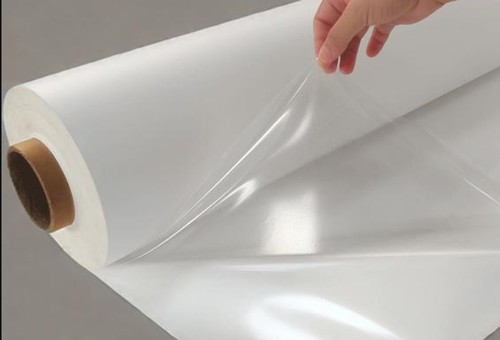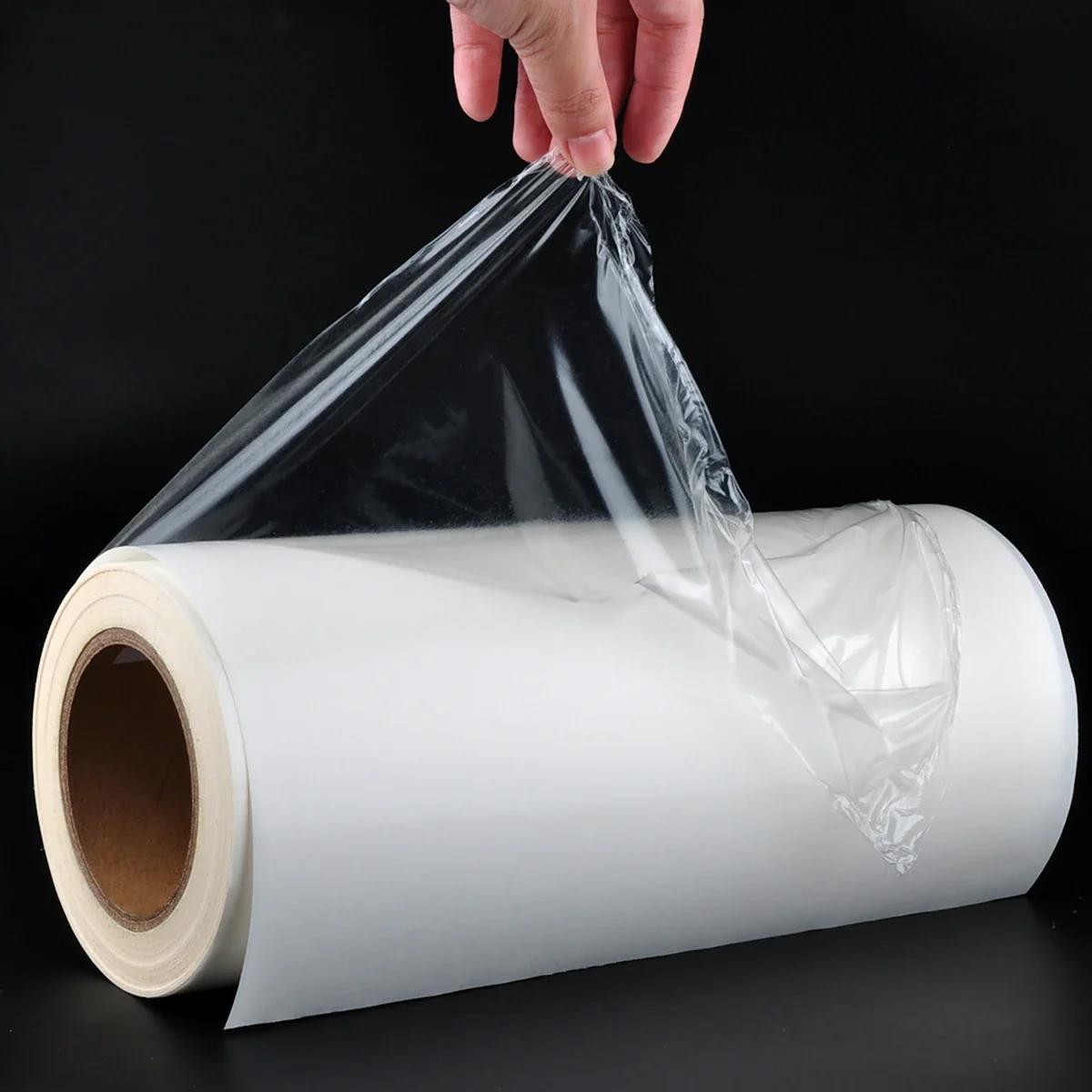

The global medical film market is experiencing unprecedented growth, projected to reach $8.2 billion by 2027, driven by the increasing demand for advanced wound care, wearable medical devices, and infection control solutions. In this landscape, selecting the right supplier for thermoplastic polyurethane (TPU) medical film is not just a procurement decision—it's a clinical outcome determinant.
The Clinical Case for TPU: Beyond Basic Barriers
Polyurethane materials have been used in medical applications since the 1960s, but modern TPU films represent a quantum leap in performance. Consider this: traditional PVC films used in medical settings have a plasticizer leaching rate of up to 0.5% per year, which can lead to material stiffening and potential toxicity concerns. In contrast, medical-grade TPU films from Shanghai Xin Gen Tech Co., Ltd. demonstrate zero plasticizer migration, maintaining flexibility and biocompatibility over extended periods.
In a 2023 comparative study published in the Journal of Biomedical Materials Research, TPU films outperformed silicone and polyethylene alternatives in three critical areas: moisture vapor transmission rate (MVTR) at 850 g/m²/24h, tear strength exceeding 45 N/mm, and elongation at break surpassing 600%. These aren't just numbers—they translate to fewer dressing changes, less skin maceration, and improved patient comfort in wound care applications.
Five Strategic Advantages of Partnering with a Premium TPU Film Supplier
1. Impeccable Regulatory Compliance and Traceability
When selecting medical films, regulatory certification isn't optional—it's existential. Shanghai Xin Gen Tech holds ISO 9001:2015, OHSAS 18001:2007, and maintains full compliance with OEKO-TEX, SGS, ROHS, REACH, FDA, and EU 10/2011 standards. Each batch ships with complete documentation, ensuring your device submission doesn't stall at regulatory review.
Operational Advice: Request their in-house laboratory's batch-specific Certificates of Analysis (CoA). Look for documented cytocompatibility testing per ISO 10993-5 and -10, not just a generic compliance statement.
2. Customization Capabilities That Reduce Device Development Time
Off-the-shelf films often force design compromises. Xin Gen specializes in engineering films with precision thickness control from 20 to 200 microns, custom hardness from 70A to 55D, and tailor-made functionality including anti-blocking, UV stabilization, and controlled surface gloss.
Here's a critical advantage: their Shanghai facility, spanning 6,000+ square meters, houses pilot and production lines that mirror each other 1:1. Their 400mm sample films enable realistic prototyping. Industry data indicates this capability cuts new product development cycles by 30-40%, because what works in their lab works in your manufacturing environment.
Operational Advice: Bring your manufacturing process into the sampling conversation. Ask about lamination behavior, heat seal ranges, and die-cutting compatibility in advance—Xin Gen’s technical team proactively addresses these parameters during prototype phases.
3. The “Self-Healing” Advantage in Wearable Electronics
Consider the explosion in wearable medical devices, expected to reach 450 million units by 2026. These devices demand flexibility, durability, and optical clarity. Standard TPU films may meet basic requirements but fail under real-world stress. Xin Gen's advanced TPU formulations offer remarkable self-healing properties—minor scratches from daily wear disappear when exposed to warmth, extending device aesthetics and lifespan.
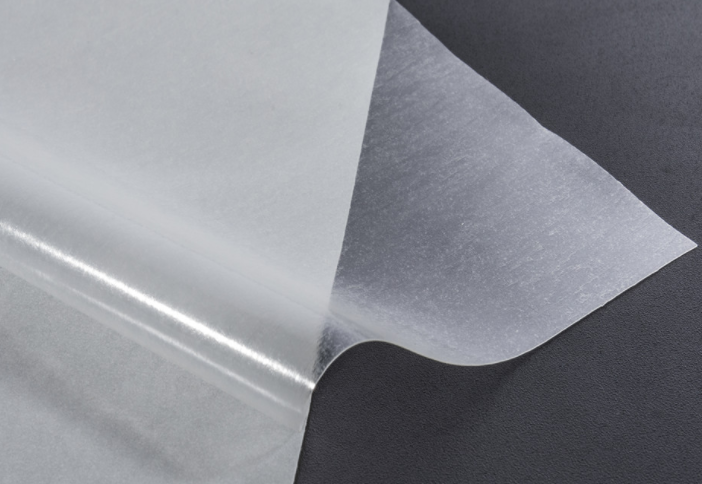
Operational Advice: In product design, specify demonstration of self-healing under ISO 15184 pencil hardness testing and simulate scratch recovery with heating profiles (typically 40°C for 30 minutes). Request accelerated life testing data.
4. Scalable Production with Global Support
Since its 2009 founding, Xin Gen has grown strategically—establishing sales branches in Shenzhen (2023) and Los Angeles (2023) to complement its Shanghai headquarters. This positioning matters for medical device OEMs who need seamless support across time zones and rigorous supply chain compliance. They supply to 30+ countries, accommodating both high-volume roll production (up to 1,600mm widths) and just-in-time delivery schedules.
Operational Advice: Evaluate distance-to-market in your supplier selection. Their US-based sales office enables rapid response for material updates and regulatory query resolution, mitigating risks associated with trans-Pacific shipping and customs documentation.
5. Documented Problem-Solving: Real-World Case Study
In 2024, a Brazilian client needed a TPU film for bulletproof glass lamination requiring polycarbonate-to-glass adhesion without optical distortion. Generic films failed lamination tests due to poor flow or yellowing. Xin Gen’s technical team responded by recommending a customized, high-adhesion TPU film with exceptional optical clarity, specifically formulated for interlayer bonding. The result? The custom film passed stringent lamination testing and entered pilot production within weeks.
Operational Advice: When vetting a supplier, ask for case studies involving your application environment—not just their generic product line. It's the difference between a vendor and a solutions partner.
Beyond the Film: The Total Cost of Ownership Perspective
The cheapest TPU roll is almost never the most cost-effective. Rejected batches, production downtime, and field failures cost 10-100 times the material price difference. Premium suppliers like Xin Gen mitigate these costs through rigorous Quality Management Systems and in-house R&D. Their 2025 appearance at the CMEF in Shanghai showcased new medical material innovations, underlining their ongoing investment in next-generation solutions.
Strategic Consideration: While giants like 3M and Covestro dominate the mass market, suppliers like Xin Gen offer the agility and specialized focus essential for advanced medical product development. For true niche applications—where material properties determine device success—their expertise isn't just valuable; it's vital.
Partner for the Long Run
The future of medical technology lies in sophisticated materials. Selecting a supplier that can match your regulatory rigor, development speed, and clinical standards is a strategic imperative.
Recommendation: Begin your evaluation with a technical consultation. Ask about their sample development process, their response times, and how they handle a specification that doesn't exactly fit an existing product line. Their 400mm sample capability facilitates near-production-line accuracy at negligible cost, accelerating your proof-of-concept. In the end, the right partnership doesn't just save you time—it is the foundation for innovation in patient care.