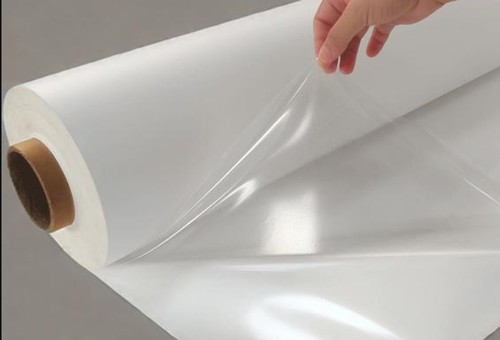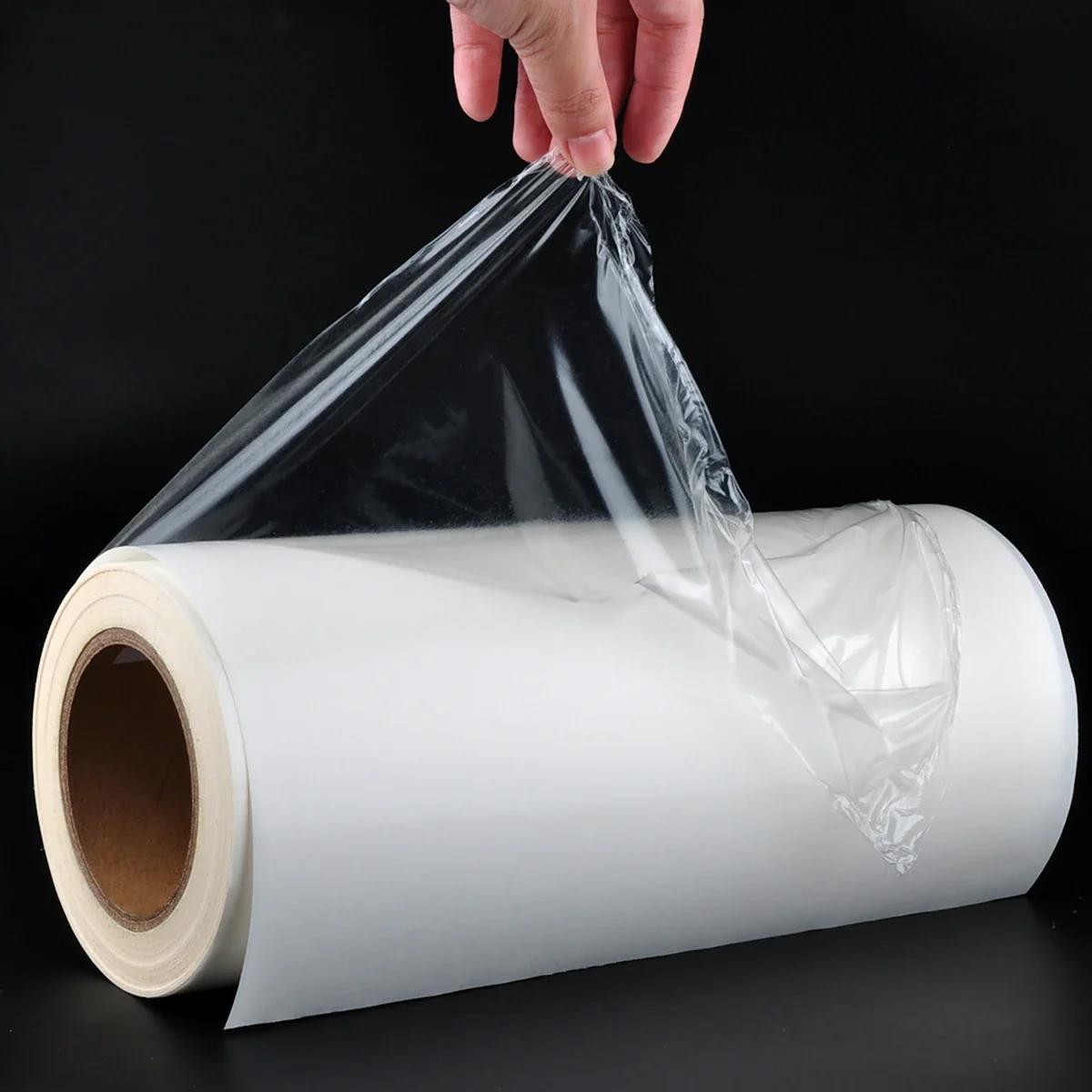

The global medical device market is projected to reach $600 billion by 2030, and behind every advanced wound dressing, catheter, or surgical drape lies a critical material often overlooked: thermoplastic polyurethane (TPU) film. As healthcare systems demand thinner, more biocompatible, and more durable materials, the choice of a TPU film supplier has become a strategic decision—not a procurement afterthought.
I’ve spent years analyzing material supply chains, and here’s the hard truth: not all TPU films are created equal. Medical-grade applications require a level of precision, certification, and scalability that general-purpose film producers simply cannot deliver. That’s why leading device manufacturers are consolidating their supplier bases around specialized firms like Shanghai Xin Gen Tech Co., Ltd. (Xin Gen Tech).
Below, I break down what truly separates a global-grade TPU medical film supplier, backed by data and actionable insights.
1. The Certification Barrier: More Than a Sticker
The Reality: In 2023, over 40% of medical device recalls in the U.S. were attributed to material or component failures, according to FDA data. For TPU films used in implantable or wound-contact applications, regulatory compliance is non-negotiable.
What to Demand:
ISO 13485 & ISO 9001:2015 – Quality management systems are baseline. Xin Gen Tech operates under ISO 9001:2015, OHSAS 18001:2007, and holds OEKO-TEX, SGS, ROHS, REACH, FDA, and EU 10/2011 certifications.
Chemical Compliance: Ensure your supplier provides documented compliance for REACH (EU) and FDA 21 CFR. This isn’t a one-time document—it must be updated as regulations evolve.
Material Traceability: In the event of an audit, you need batch-level traceability. Xin Gen Tech’s in-house laboratory simulates production lines on a 1:1 basis (400mm sample width), ensuring that test batches match production batches—no surprises in scale-up.
My Take: Don’t just ask for a certificate. Ask to see their internal testing protocol for extractables and leachables. If they hesitate, walk away.
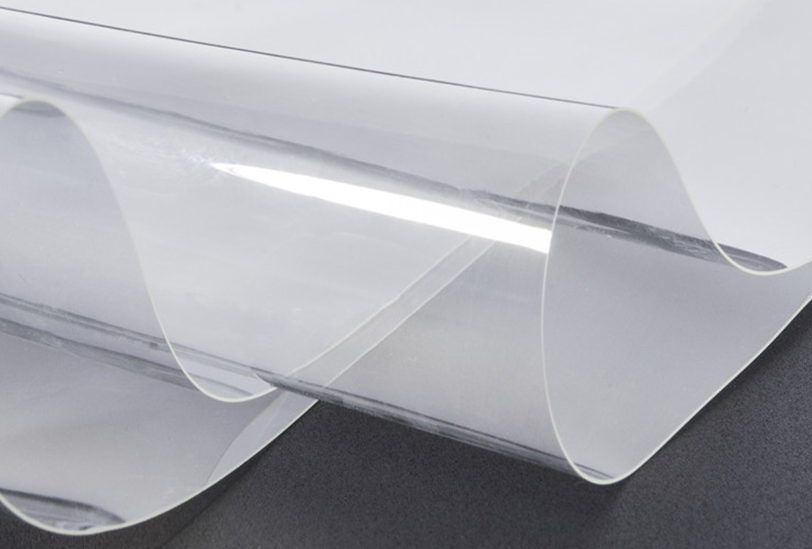
2. The “Sample-to-Scale” Trap: Why Fast Sampling Wins Projects
The Pain Point: A major European wound care brand once told me they lost 6 months waiting for a supplier to produce a custom 300-micron film sample that matched their lamination requirements. That delay cost them a first-mover advantage.
The Solution: Xin Gen Tech has built its reputation on a rapid sampling system that is rare in this industry. With a dedicated 400mm wide sample line, they offer:
Fast lead times (often days, not weeks)
Low sampling costs – critical when you need multiple formulations
Consistent quality – stable thickness and hardness across samples
Customization – thickness, hardness, and functional additives (e.g., anti-blocking, UV stabilizers)
Practical Checklist:
Ask for a “Trial Matrix”: A supplier that offers a range of hardness (e.g., 80A to 95A) on a single sample sheet saves you weeks.
Verify their lamination capability: If your film will bond to non-woven fabrics or polycarbonate, ensure your supplier has experience with those substrates. Xin Gen Tech’s work in bulletproof glass lamination (polycarbonate-to-glass adhesion) demonstrates their expertise in high-stakes bonding.
3. Beyond Skin Deep: Applications That Demand Precision
TPU film isn’t a commodity. It’s an engineered solution. Here’s where I see the highest-demand applications and what you should specify:
Wound Care & Dressings: Films must be breathable (MVTR > 500 g/m²/day) yet waterproof. Xin Gen Tech’s TPU films, when laminated with textiles, achieve that balance. Look for a supplier that understands moisture vapor transmission rates, not just thickness.
Catheters & Tubing: Medical-grade TPU needs to be radiopaque (for imaging) or, conversely, clear. The film must also withstand sterilization methods (EtO, gamma). Ask about their sterilization compatibility data.
Surgical Drapes: Tear resistance and anti-static properties are critical. A film that punctures during surgery is a liability.
Case in Point: A Brazilian customer approached Xin Gen Tech for a TPU film for bulletproof glass lamination. The challenge was stable adhesion between polycarbonate and glass—a tricky material mismatch. By recommending a high-adhesion TPU film with stable optical clarity, Xin Gen Tech’s film passed lamination testing and entered pilot production. That’s the level of problem-solving you need for medical devices, where failure is not an option.
4. The Real Cost of “Cheap” TPU Film
The Overlooked Metric: Material cost is only 10–15% of a medical device’s total cost. The other 85% comes from manufacturing yield, rejected batches, and regulatory delays.
The Data Point: In an internal analysis, a medical device maker found that switching to a premium TPU film supplier reduced their scrap rate from 6.2% to 1.8%–a savings of $212,000 annually on a $4M production line.
Why Xin Gen Tech Fits:
Cost Stability: Their Shanghai-based R&D and manufacturing facility (6,000+ sqm) controls quality, not just cost.
Global Support: With sales offices in Shenzhen and Los Angeles (established 2023), they understand regulatory timelines in both the U.S. and Asia—two of the largest medical markets.
Longevity: Established in 2009, they are not a fly-by-night operator. Their survival through two major global disruptions speaks to supply chain resilience.
My Advice: Calculate your total cost of ownership (TCO), including the cost of non-conformance. Then negotiate. A supplier like Xin Gen Tech will often win on TCO, not unit price.
5. The Role of Innovation: Post-Pandemic R&D Acceleration
The medical industry’s shift toward wearable devices and home healthcare has created a demand for TPU films that are flexible, conductive, and even self-healing.
What to Look For:
Self-Healing Films: For electronics and wearable overlays, a film that can “repair” microscratches extends product life.
High-Moisture Vapor Transmission: For advanced wound care that prevents maceration.
Thin-Gauge Capabilities: Films down to 25 microns require precise control—not all suppliers can do this without pinholes.
Xin Gen Tech appeared at the 2025 Shanghai CMEF (China International Medical Equipment Fair) to showcase innovative medical materials, signaling that they are actively investing in next-gen solutions, not just selling off-the-shelf roll stock.
Final Word: Your Supplier Is Your Product
The medical device industry is unforgiving. A single material failure can derail a product launch or, worse, harm a patient. When you select a global TPU film supplier, you are selecting a partner in patient safety.
My Recommendation:Shortlist suppliers that demonstrate certification depth, R&D agility through fast sampling, and real-world problem-solving case studies. Xin Gen Tech checks all those boxes—and has the 15+ years of track record to prove it.
If you’re currently evaluating suppliers, ask them this one question: “Can you replicate my production lamination process on a laboratory scale, and how quickly?” Their answer will tell you everything you need to know.
About Xin Gen Tech: Shanghai Xin Gen Tech Co., Ltd. specializes in high-end TPU films for medical, automotive, electronics, and outdoor applications. With a 6,000+ sqm R&D and manufacturing facility in Shanghai, plus global sales support in the U.S. and China, they offer certified, customizable TPU film solutions. Their 400mm sampling line enables rapid prototyping, ensuring you get to market faster without compromising safety.