
In the high-stakes world of medical device manufacturing, material consistency isn’t just a preference—it’s a regulatory and clinical necessity. For years, companies have juggled multiple vendors for TPU films, risking quality drift, extended lead times, and communication breakdowns. But there’s a better path: partnering with a one-stop supplier that controls R&D, production, and sampling under one roof. Shanghai Xin Gen Tech Co., Ltd. (Xin Gen Tech) has built its entire model around this principle, and the numbers back it up.
1. The High Cost of Fragmented Supply Chains in Medical Materials
A 2023 industry survey of medical device OEMs revealed that 68% of product launch delays were traced back to material inconsistency or vendor coordination failures. When you buy TPU film from one supplier, lamination services from another, and testing from a third, you’re not just paying three invoices—you’re inheriting three sets of quality standards.
The Xin Gen Tech advantage: As a single source, Xin Gen Tech manages everything from polymer formulation to finished film. Their 6,000+ square meter Shanghai facility houses both the R&D center and the production line, meaning the film that passes ISO 10993 biocompatibility testing is the exact same film that ships to your cleanroom. There’s no “batch drift” because there’s no handoff between companies.
Actionable Step: Before signing with any TPU supplier, audit their production footprint. If R&D and manufacturing aren’t under one roof, you’re already accepting unnecessary risk. Ask for their internal lot-to-lot variability data—Xin Gen Tech publishes theirs as part of their quality documentation.
2. Sampling Speed: The Hidden Lever for Faster Regulatory Approval
In medical device development, every week of delay costs an average of $25,000 to $50,000 in engineering and regulatory man-hours. Traditional sampling from large overseas suppliers takes 3–4 weeks. That’s a month of your development timeline gone before you’ve even tested adhesion.
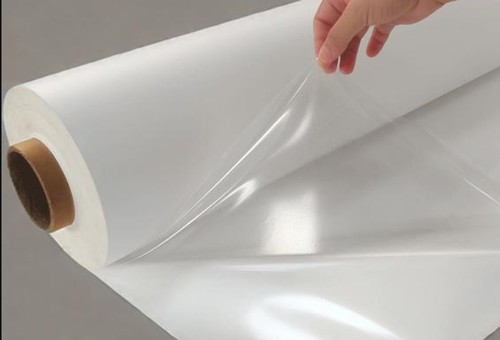
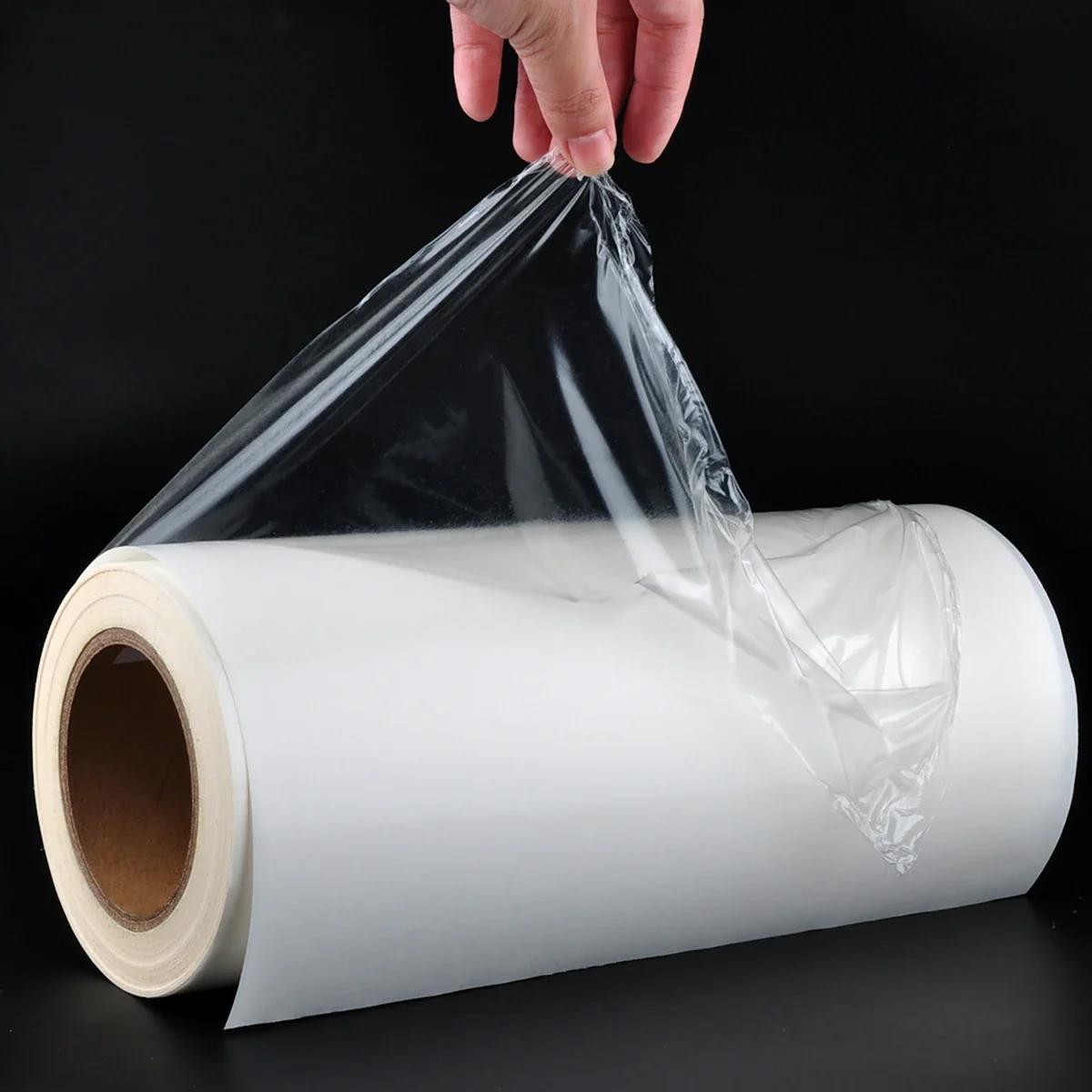
The Xin Gen Tech difference: Their in-house lab equipment is a 1:1 scale model of their mass production lines, not a compromise. This yields a 400mm sample width that’s process-identical to commercial rolls. Sampling lead time is dramatically compressed—most samples ship within days, not weeks. Because the pilot line mirrors production exactly, you eliminate the “scale-up surprise” that plagues many vendors.
Case in point: A Brazilian manufacturer needed TPU film for bulletproof glass lamination (a medical-adjacent safety application). They required stable adhesion between polycarbonate and glass, with optical clarity that wouldn’t distort imaging. Xin Gen Tech’s rapid sampling system delivered high-adhesion film that passed lamination testing on the first attempt, moving the client directly into pilot production. No iterative sampling cycles. No costly redesign.
Actionable Step: When evaluating suppliers, don’t just ask “How fast can you sample?” Ask “Can your sample line match your production line’s exact parameters, including nip pressure and cooling rates?” If not, your “fast” sample is just a rough guess.
3. Certification Depth: Beyond the Bare Minimum
The medical industry isn’t satisfied with a single ISO certification. Your material touches skin, wounds, and sometimes blood—so it needs to prove safety at every level. Many suppliers tout “ISO 9001” and stop there. That’s table stakes, not a differentiator.
Xin Gen Tech’s certified portfolio includes:
ISO 9001:2015 and OHSAS 18001:2007 for quality and occupational safety management
OEKO-TEX certification for skin-contact safety
SGS, ROHS, REACH compliance for global chemical safety
FDA approval and EU 10/2011 compliance for direct and indirect food/medical contact
Why this matters: A wound dressing using TPU film needs FDA clearance. A catheter manufacturer exporting to Europe needs EU 10/2011. A textile composite for compression garments needs OEKO-TEX. If your supplier lacks any one of these, you’re the one paying for a second-tier testing lab or, worse, facing a failed audit.
Actionable Step: Map your target markets (USA, EU, Asia) and compile a checklist of required certifications. Then ask each supplier to produce their certificates—not just PDF copies, but the certification body and validity dates. Xin Gen Tech’s third-party certifications (SGS, etc.) are independently verifiable, which adds traceability to your own regulatory file.
4. Performance Across the Medical Application Spectrum
TPU films aren’t a “one-size-fits-all” material. A film that works beautifully for a waterproof dressing might fail catastrophically as a catheter balloon. Here’s where a deep product line becomes a strategic asset:
Wound Dressings: Medical-grade TPU provides a transparent, moisture-vapor-permeable barrier that protects against bacteria while allowing oxygen exchange. Xin Gen Tech’s films are optimized for low skin-irritation potential, backed by ISO 10993 biocompatibility testing.
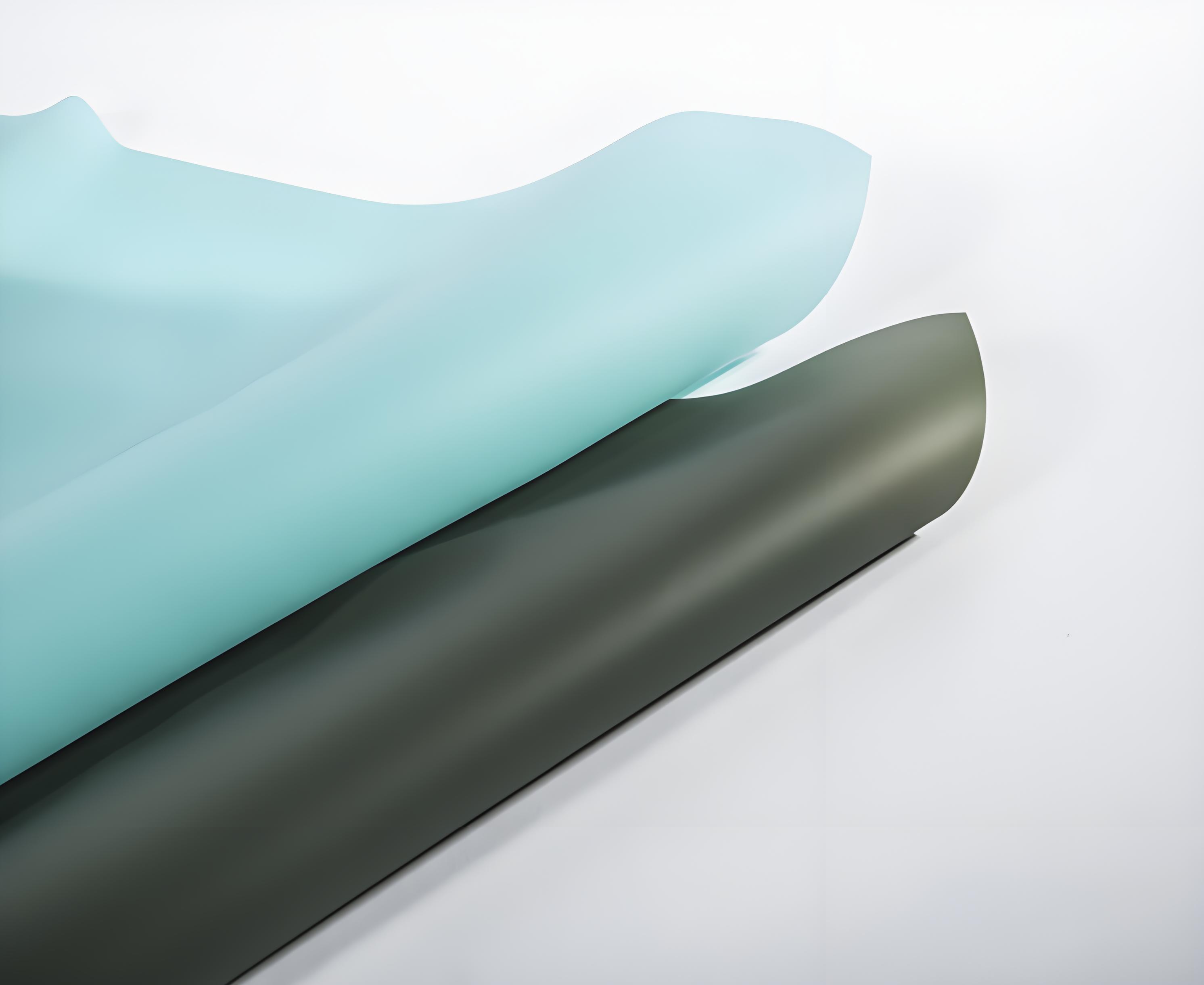
Catheters and Tubing: The film’s flexibility and kink resistance are critical. Xin Gen Tech supports customized hardness and thickness, so you can dial in the exact durometer for your device’s torque requirements.

Wearable Electronics (Medical Monitors): TPU films in ECG patches and glucose monitors need to conform to curved skin surfaces. Xin Gen Tech’s films self-heal minor surface scratches, extending the wearable’s life—a feature typically only seen in high-end smartphone screen protectors.
Textile Composites for Medical Apparel: When laminated with polyester fibers, TPU creates waterproof-breathable fabrics for surgical gowns and patient bedding. The lamination trials are supported by Xin Gen Tech’s in-house capabilities, ensuring the composite doesn’t delaminate after sterilization cycles.
Actionable Step: Create a “specification matrix” of your device’s requirements—tensile strength, elasticity, optical clarity, sterilization compatibility (EtO vs. gamma). Send this matrix to Xin Gen Tech or any qualified vendor. Their technical team can identify gaps you’ve missed. For instance, gamma sterilization can yellow certain TPU grades—a question most buyers forget to ask.
5. The “Specialty Field” That Pays Off: Bulletproof and High-Performance Laminates
While not strictly medical, Xin Gen Tech’s work in bulletproof glass lamination offers a glimpse into their engineering ceiling. The challenge—stable bonding between polycarbonate and glass under extreme impact—requires TPU chemistry that’s simultaneously adhesive, optically clear, and shock-absorbing. This film technology transfers directly to high-end medical imaging equipment housings and protective covers for delicate diagnostic tools.
Why this matters for you: If a supplier can solve laminated safety glass, they can definitely handle your delicate medical membrane requirements. The R&D intensity required for such applications typically means higher-grade process control, which becomes a silent benefit for all their medical clients.
The Bottom Line
The TPU medical film market is projected to grow at a 7.8% CAGR through 2030, driven by the shift toward minimally invasive devices and home healthcare. But growth brings vendor proliferation, and with it, quality dilution. Choosing a one-stop supplier like Xin Gen Tech isn’t just about convenience—it’s about reducing your regulatory risk, compressing your development timeline, and ensuring batch-to-batch consistency that your auditors, surgeons, and patients will trust.
Your Next Move: Request a side-by-side comparison of Xin Gen Tech’s sample protocol with your current supplier’s. Look at the 400mm sample width, the 1:1 production scaling, and the list of international certifications. If your current vendor can’t match that depth, your “cost savings” are actually a liability in disguise.
The material you choose today will determine the regulatory hurdles—or smooth sailing—you face tomorrow. Choose wisely. Choose a supplier that treats your device like their own.