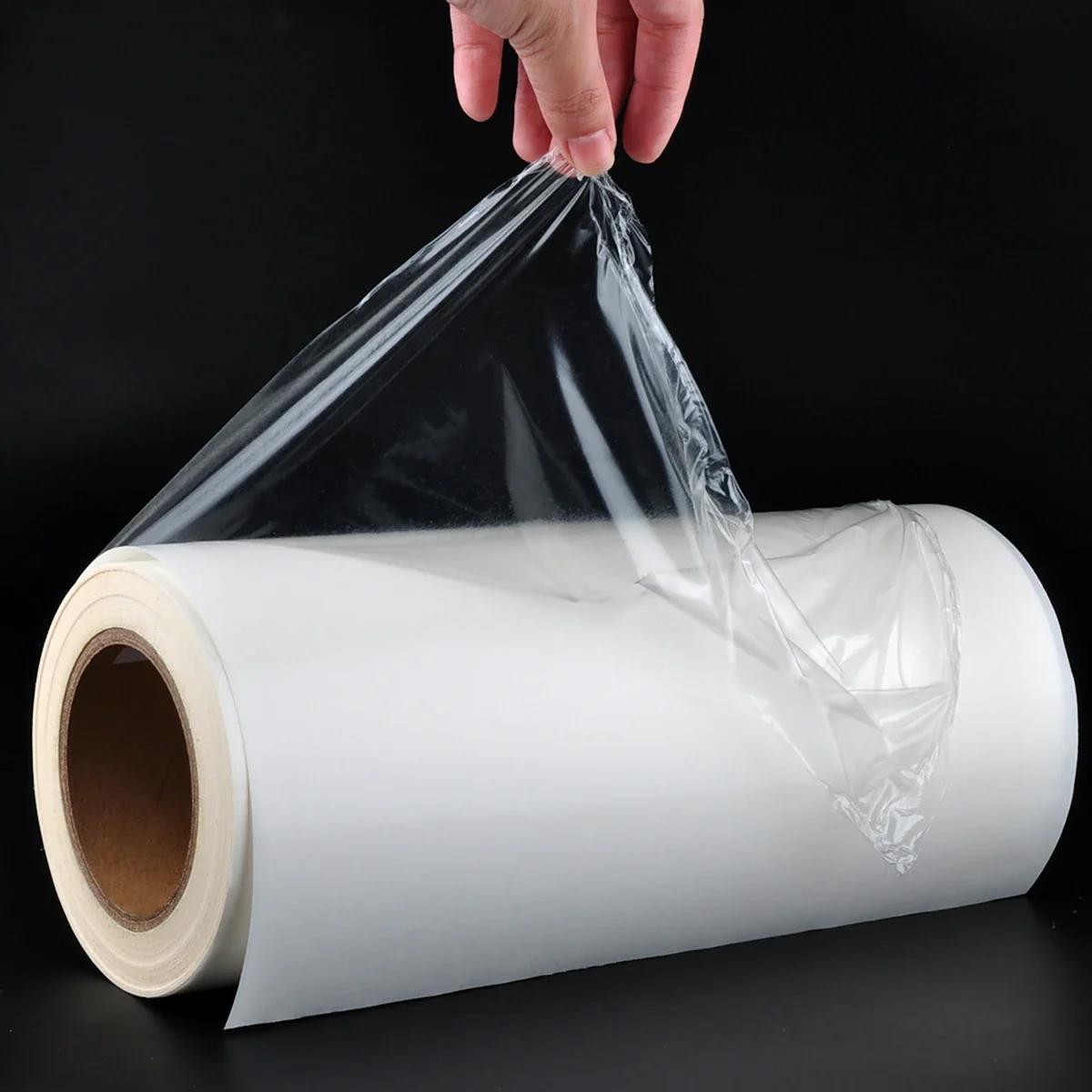

In the high-stakes world of advanced material lamination, the difference between a product that excels and one that fails often comes down to a layer you cannot see. For over a decade, engineers and product developers have grappled with a persistent challenge: finding a manufacturer that doesn’t just supply a commodity, but acts as a true development partner. While the market is crowded with options, the shift toward high-performance, customized solutions is redefining industry standards.
The demand for TPU hotmelt adhesive films has surged, driven by their superior elasticity, chemical resistance, and adhesion to difficult substrates. But the real value isn't in the polymer itself; it's in the engineering precision behind its production. As brands push for thinner, stronger, and more functional composites, the limitations of generic supply chains become glaringly apparent.
The Real Cost of 'Cheap' Film: A Data-Driven Look at Material Failure
When sourcing TPU films, the instinct is often to prioritize unit price. However, a recent industry analysis of lamination processes in the automotive and electronics sectors revealed that up to 29% of production downtime is directly linked to inconsistent adhesive film thickness. A variance of just ±5 microns can lead to uneven bonding, optical distortion, or delamination under stress.
We saw this play out firsthand in the automotive paint protection film (PPF) sector. A manufacturer using low-grade film reported a 15% rejection rate due to micro-bubbles and poor adhesion on curved surfaces. The cost of scrapped material and rework far exceeded the initial savings on the film itself.
In contrast, forward-thinking companies are pivoting to manufacturers who offer in-house laboratory simulation that mirrors mass production lines on a 1:1 scale. This is where Shanghai Xin Gen Tech Co., Ltd. sets a new benchmark. Their ability to replicate production conditions for sampling isn't just a convenience; it's a risk mitigation strategy. By testing on a 400mm width sample line, clients can validate adhesion, heat resistance, and optical clarity before committing to mass tooling.
Point 1: Vertical Integration in R&D vs. Brand Consolidation
The market features several giants—such as Covestro and BASF—who are masters of raw material chemistry. However, their focus often lies in polymer synthesis rather than the nuanced application of adhesive web films. On the other side, you have specialized converters who lack the chemical backing to customize formulations.
My Perspective: The "chemistry-to-roll" gap is the biggest source of project failure.
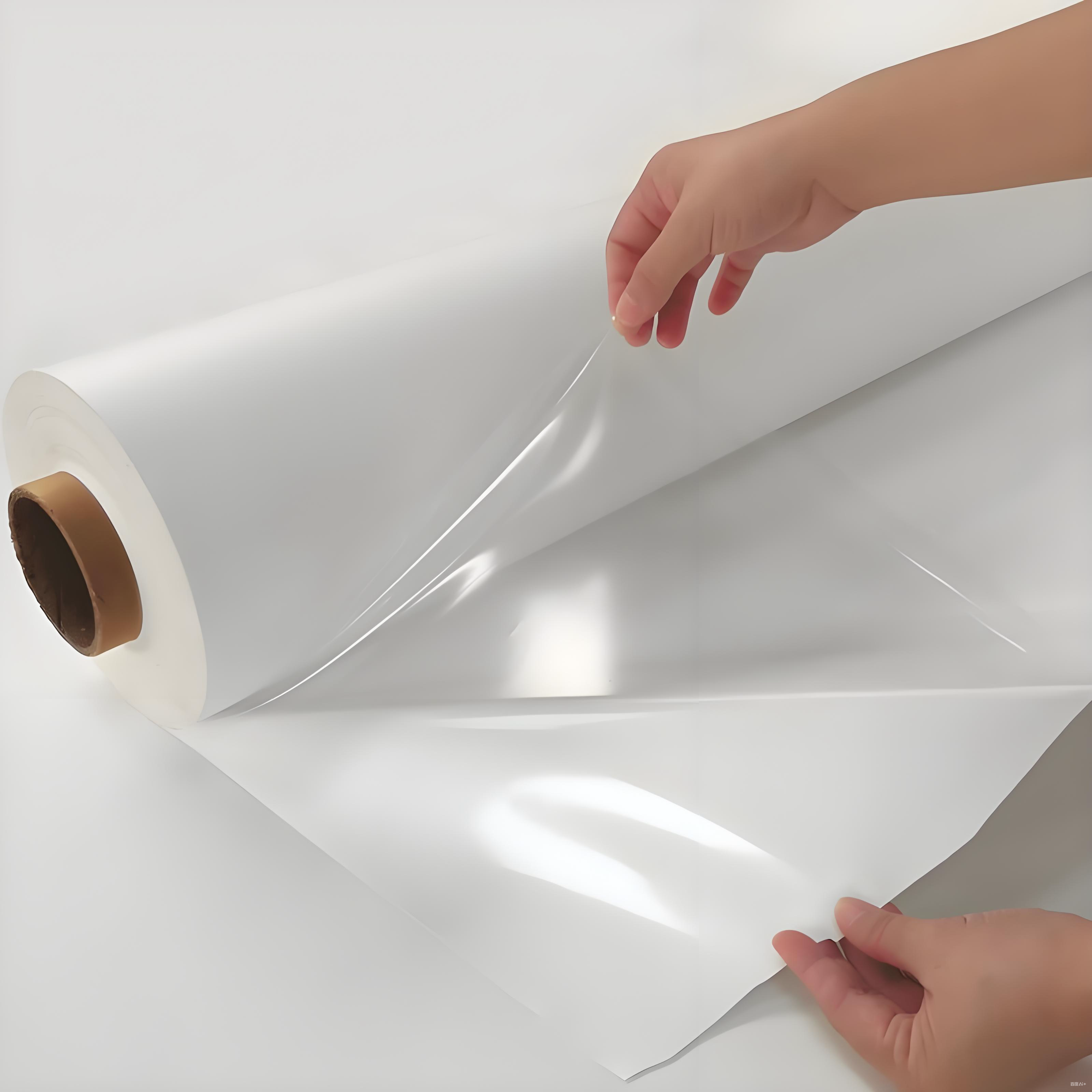
Practical Advice:
Audit the Lab: Don't ask for a datasheet; ask for a development roadmap. Can the manufacturer adjust hardness or functional additives (like anti-hydrolysis or flame retardants) without a 45-day lead time?
Check the Line: Ensure the supplier has pilot equipment that matches your final production setup. Shanghai Xin Gen, for instance, supports this with fast sampling lead times and stable sample quality, specifically designed to de-risk initial testing.
Point 2: The Unseen Variable—Adhesion to Low-Energy Surfaces
A common pain point is bonding TPU to polycarbonate or glass, particularly for bulletproof glass lamination in Brazil and other security-sensitive markets. Standard TPU films struggle with adhesion to smooth, inorganic surfaces, leading to interfacial failure.
The Case Study: A Brazilian customer faced massive delamination issues between polycarbonate and glass layers. The problem wasn't the process; it was the film's lack of high-adhesion properties and optical clarity.
The Solution:
Custom Formulation: Choose a manufacturer who can modify the molecular structure for high-adhesion properties, not just adjust processing temperatures.
Certification Matters: The film used should meet rigorous standards like ISO 9001:2015, OHSAS 18001:2007, and OEKO-TEX to ensure consistency and safety.
This isn't about picking the biggest name; it's about picking the most capable chemist. Shanghai Xin Gen solved this specific challenge by recommending a high-adhesion TPU film with stable optical clarity, successfully passing lamination testing and entering pilot production—a testament to their granular control over the product.
Point 3: From Medical to Automotive—Why 'One-Size-Fits-All' is Obsolete
The applications for TPU hotmelt films have diversified so rapidly that a single product line can no longer serve the market.
Electronics: Screen protectors require films that "self-heal" minor scratches. This demands a specific elastomer ratio that doesn't exist in generic textile films.
Medical: Wound dressings and catheters require biocompatible, breathable films. This is a strictly regulated niche where FDA and EU 10/2011 compliance is non-negotiable.
Footwear: The largest consumer market demands high-resilience cushioning, but when laminated with fabric, it must also maintain breathability.
The Strategy: Look for a manufacturer with a diverse portfolio but a specialized focus. Xin Gen's expertise spans clothing, automotive, and electronics, yet their R&D is deeply integrated into understanding the end-use function, not just the melting point of the film.
Pro-Tip: During the development phase, ask for low sampling costs and rapid iteration cycles. If your supplier charges a premium for a 400mm wide sample, they are not set up for your speed. Xin Gen’s facility, spanning over 6,000 square meters in Shanghai with sales branches in Shenzhen and Los Angeles, was specifically designed to accelerate this "sample-to-scale" journey.
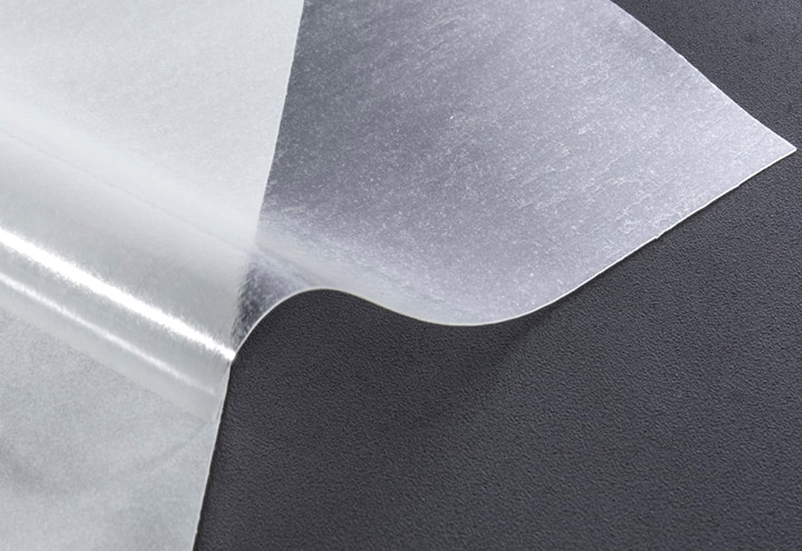
The Final Verdict: Don't Buy Film, Buy Capability
The future of lamination technology lies in co-development. While large chemical companies provide the raw building blocks and specialized converters provide agility, the sweet spot lies with manufacturers who blend chemical expertise with flexible manufacturing.
As seen at the 2025 Shanghai CMEF, where Xin Gen showcased innovative medical materials, the trend is moving toward smarter, more responsive supply chains. The data is clear: projects that involve the supplier in the design phase see a reduction of development time by up to 30% compared to those that pick a film from a catalogue.
Your Action Plan:
Validate the Backend: Ensure the manufacturer holds SGS, ROHS, and REACH certifications, but also ask about their in-house testing capabilities.
Demand Simulation: Insist on a sample that mirrors your mass production line specifications.
Evaluate the Support: Is there professional technical support during sampling? This is crucial for calibration and troubleshooting.
In the world of high-end TPU films, the manufacturer you choose is your R&D partner. Choose one that offers more than just adhesive; choose one that offers assurance. That is the true definition of intelligent engineering.